




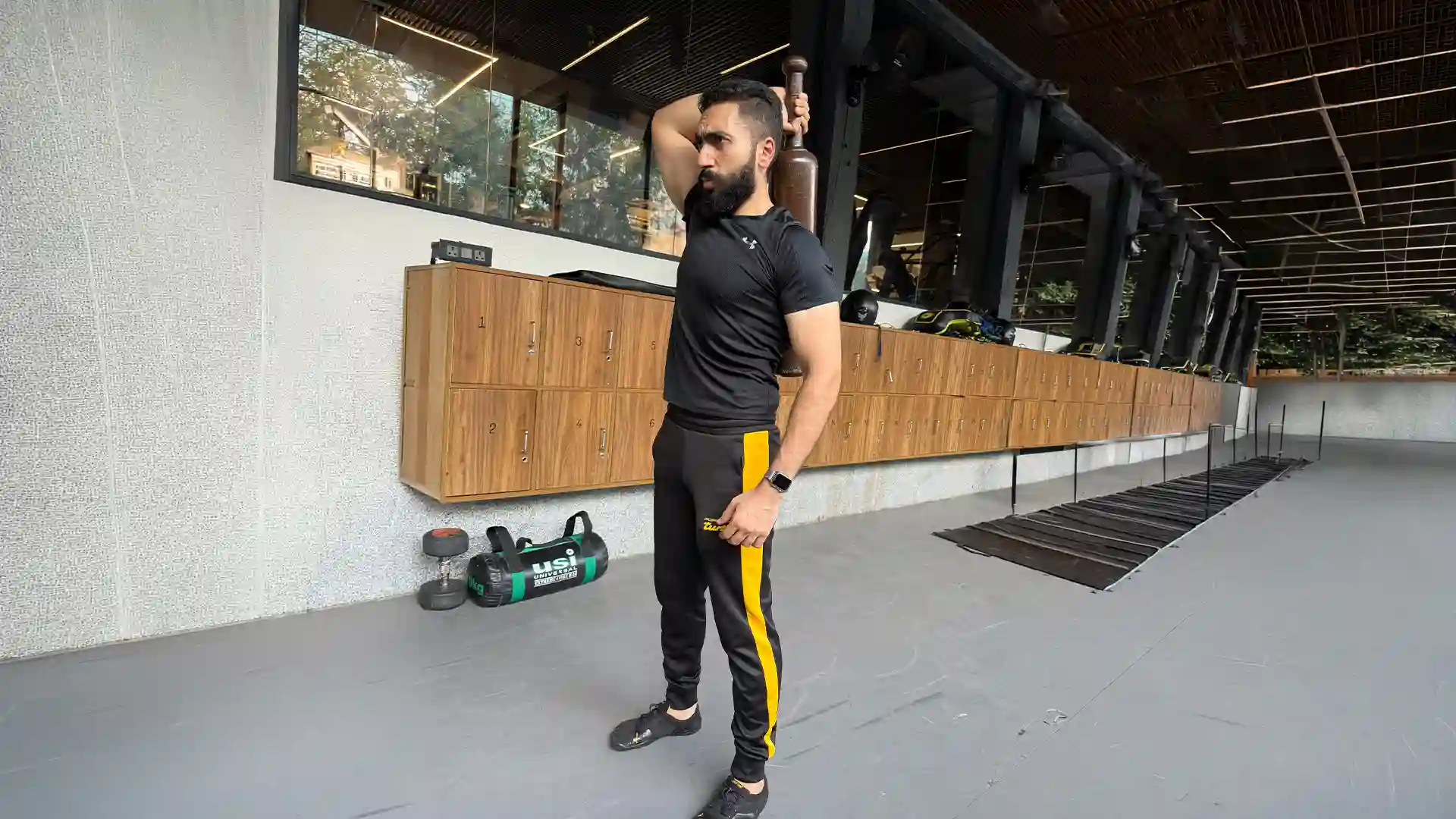
Can a Diabetes Patient Do Bodybuilding? The Truth Your Doctor Probably Never Told You
Authored by: Dr. Gagandeep Singh, MBBS
Bodybuilding for diabetes is not only safe — it may be one of the most powerful metabolic therapies modern medicine rarely emphasizes. This guide explains how muscle works as medicine, why resistance training changes insulin sensitivity, and how diabetics can safely build strength and reclaim metabolic control.
A Story Doctors Never Tell — But Every Diabetic Needs to Hear
Rajesh, a 48-year-old professional with Type 2 diabetes, did everything he was told. He walked daily, reduced sugar, followed diet charts — yet his HbA1c remained high. At Redial Clinic, instead of more pills, we introduced medically supervised resistance training. Within weeks, his glucose stabilized. Within months, medications reduced. More importantly, Rajesh stopped feeling like a patient.
Your Muscles Are Your Biggest Glucose-Disposal System
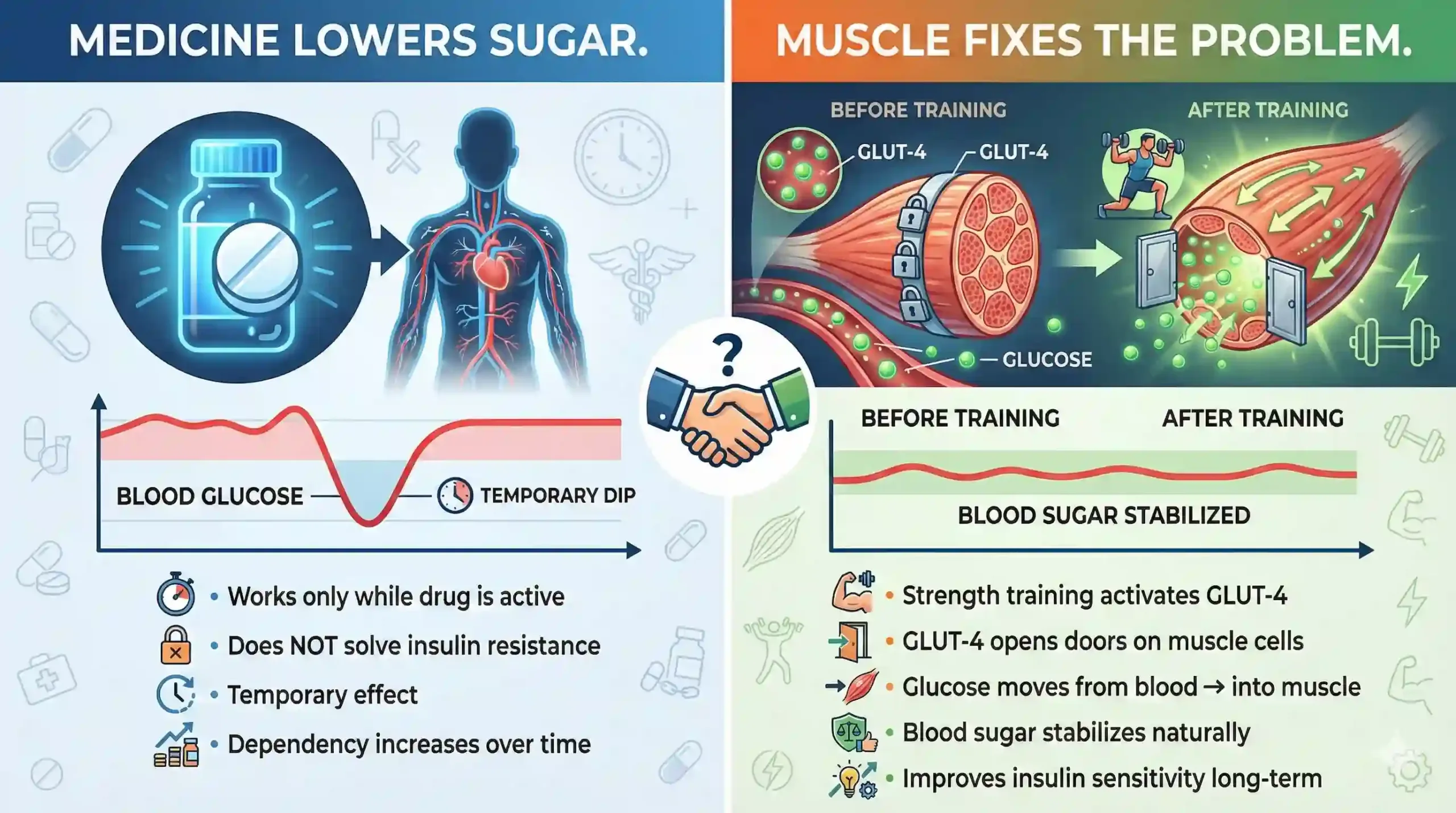
Most diabetes education ignores the most powerful metabolic organ — skeletal muscle. Muscle contains GLUT-4 transporters that absorb glucose. During resistance training for diabetics, muscle contractions activate GLUT-4 even without insulin, allowing glucose to enter cells directly.
The more muscle mass you have, the more glucose your body can store safely. This improves insulin sensitivity, stabilizes sugars, and reduces insulin resistance — the root cause of Type 2 diabetes.
Why Muscle Is Metabolic Medicine
Strength training diabetes reversal works because muscle creates a glucose sink. More muscle means:
- Lower fasting and post-meal sugars
- Improved HbA1c
- Reduced inflammation
- Better fat metabolism
- Improved hormonal balance
Walking maintains health. Strength training rebuilds metabolism.
Is Bodybuilding Safe for Diabetics?
Yes. Global guidelines strongly support resistance training. When supervised correctly, bodybuilding for diabetes is safer than remaining sedentary with uncontrolled sugars.
This is not extreme gym culture. It is progressive, structured training designed around medical safety, glucose monitoring, and individual capacity.
What Changes When Diabetics Strength Train
- Blood glucose stabilizes
- Insulin sensitivity improves
- Fat loss accelerates
- Energy and sleep improve
- Medication dependency often reduces under medical care
How Should a Diabetic Begin?
The journey begins with basic movement patterns — pushing, pulling, squatting, pressing — under supervision. Most patients train 4–5 times weekly, progressing gradually. Muscle adapts. Metabolism adapts. Diabetes responds.
Breaking Common Myths
No — bodybuilding is not only for young men. No — it does not make you bulky. No — it is not dangerous when done correctly. Science supports strength.
Frequently Asked Questions
Can Type 2 diabetics do bodybuilding safely?
Yes. They often experience dramatic improvements in insulin sensitivity and glucose control.
Can Type 1 diabetics lift weights?
Yes, with structured monitoring, nutrition planning, and professional guidance.
Will strength training reduce medications?
In many cases, yes — but always under physician supervision.
Is cardio enough?
Cardio helps, but resistance training addresses insulin resistance more effectively.
Can elderly diabetics lift weights?
Absolutely. They often benefit the most.
Final Verdict — Muscle Is Medicine
Bodybuilding for diabetes is not about aesthetics. It is dignity, freedom, and metabolic recovery. Muscle is medicine. Strength is therapy.
At Redial Clinic, we design medically supervised strength programs that help patients reclaim their lives.
Begin your personalized program:
References
American Diabetes Association – Physical Activity Position Statement
Medical Disclaimer: This content is for educational purposes only and does not substitute professional medical advice, diagnosis, or treatment. Always consult your physician or a qualified healthcare provider before making any changes to your medication, diet, or treatment plan. Individual results may vary.

 Facebook
 Instagram
 LinkedIn