



Doctors increasingly prefer the word “remission”, because blood sugar can return if the changes aren’t maintained. The consensus report convened by the American Diabetes Association defines remission as an HbA1c below 6.5% measured at least three months after stopping glucose-lowering medicines (Riddle et al., Diabetes Care, 2021). Dr. Gagandeep Singh discussed what remission means in practice, and why crash diets and extreme workouts rarely last, in Business Standard. The doctors in that piece also note that people diagnosed early, while the pancreas still makes enough insulin, tend to have the best chance. Whether and how fast it happens for you depends on your own history, and any change to your medicines should be made by your doctor.
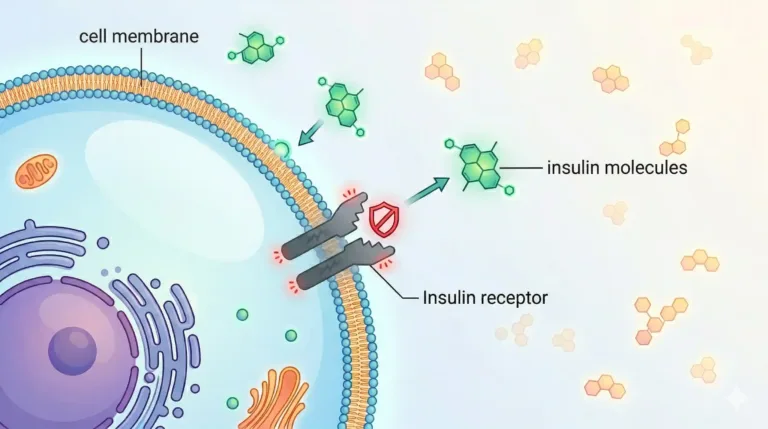
A falling HbA1c is encouraging, but it doesn’t tell you whether the problem driving your blood sugar has been addressed. Insulin resistance, and fat in the liver and pancreas, can keep affecting how your body handles glucose even when the number improves. In our approach, remission means working on what drives the number: sustainable changes to what you eat, building and keeping muscle, regular monitoring, and a plan guided by your doctor. Dr. Singh explains this in the carousel below.
“Dr. Gagandeep Singh on why remission is about more than a single number. Results vary from person to person.”
How long does it take to reverse diabetes is rarely the real question people are asking.What they truly want to know is:
- How long until I feel normal again?
- How soon will the medicines reduce?
- When will I finally feel hopeful?
At Redial Clinic, these questions come up every single day. And one story answers them better than any statistic.
A Story That Explains the Diabetes Reversal Timeline
When Rita, a 46-year-old schoolteacher, came to us, her fasting sugar was 197 mg/dL and HbA1c was 8.9%. By late morning, she felt completely drained.
Her question was simple:
“How long will it take for my life to come back?”
We didn’t start extreme diets or starvation plans. We followed a structured protocol:
- Low-carbohydrate meals
- High protein intake
- Healthy fats
- Strength training three times per week
The results followed a predictable diabetes reversal timeline:
- Week 1: Fasting sugars dropped by 30–40 points. Energy improved.
- Week 3: Post-meal spikes flattened. Medicines were reduced.
- Week 8: HbA1c dropped from 8.9% to 5.3%.
- Month 4: Diabetes entered clinical reversal.
She didn’t ask about timelines anymore. She said, “I can feel my body coming back to me.”
So, How Long Does It Take to Reverse Diabetes?
Short answer: Most people see meaningful improvements in 2–4 weeks and diabetes reversal within 3–6 months.
The exact timeline depends on consistency, metabolic health, and lifestyle adherence.
What decides how long it takes?
There is no single timeline, because several things shape it: how long you have had diabetes, how much insulin-making capacity your pancreas still has, your weight and where you carry fat, the medicines you take, your sleep and stress, and how consistently you can keep up the changes. In the DiRECT trial, for example, remission tracked closely with weight lost: 86% of participants who lost 15 kg or more were in remission at one year, while none of those who gained weight were (Lean et al., The Lancet, 2018). Redial Clinic’s approach to metabolic stress and structured lifestyle change was also covered in India Today.
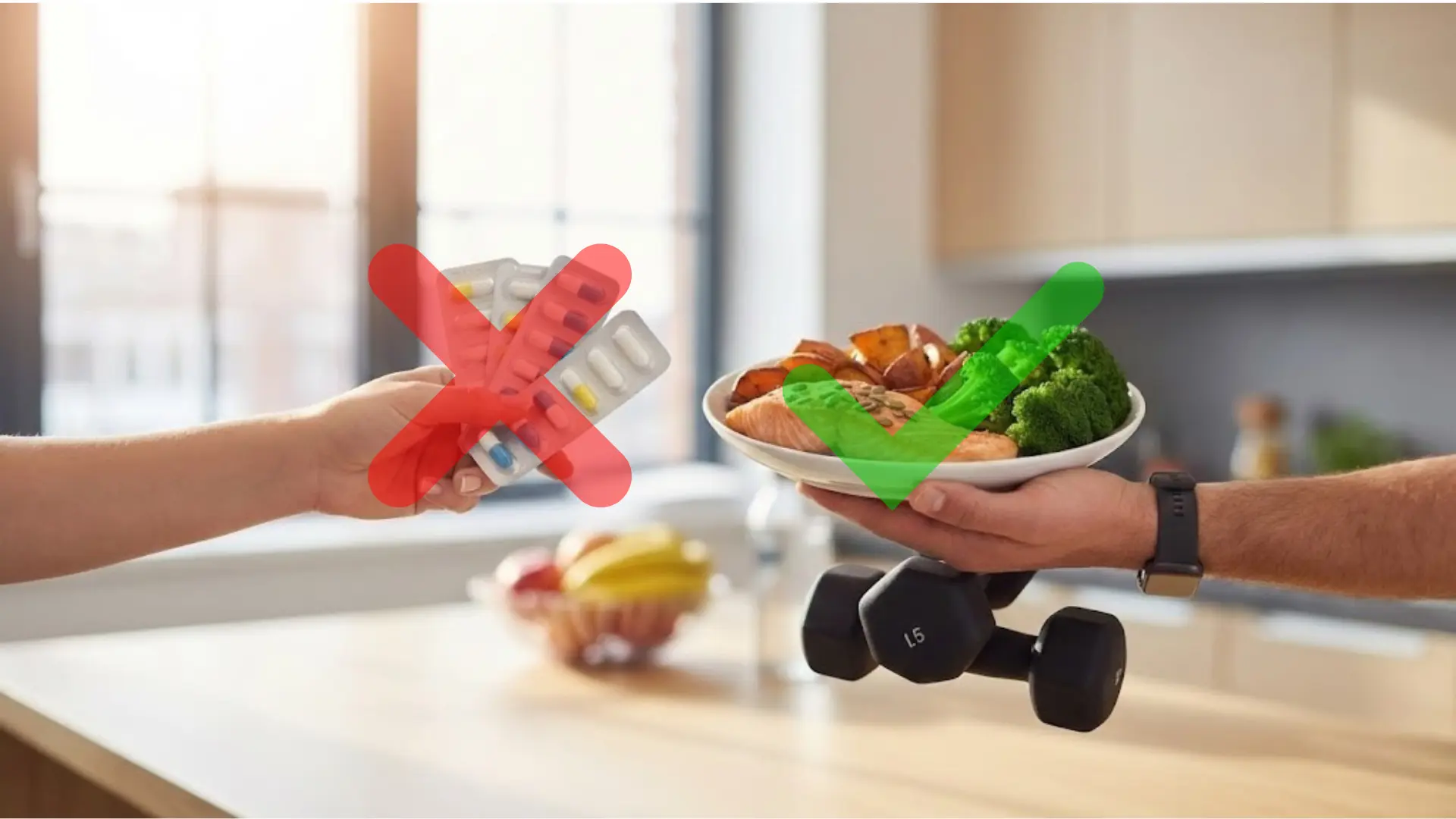
Many people ask whether changing their diet is enough. Food matters, because it shapes how much glucose reaches your blood. But your body also has to use that glucose, which is where building muscle and staying active come in. Your medications, and any nutritional deficiencies, need attention too. That is why we look at the whole picture, not just a diet chart. Dr. Singh explains this in the reel below.
“Dr. Gagandeep Singh on why diabetes reversal needs a plan beyond diet alone. Results vary from person to person.”
Phase 1: Blood Sugar Stabilization (1–4 Weeks)
In the first month, lowering carbohydrates immediately reduces glucose load.
What improves first?
- Fasting blood sugar
- Post-meal glucose spikes
- Energy and mental clarity
- Cravings and hunger
- Sleep quality
This is why people reversing type 2 diabetes naturally often feel better within days.
Phase 2: Insulin Sensitivity Repair (4–12 Weeks)
This is where strength training becomes essential.
Muscle tissue acts as a glucose sponge, improving insulin sensitivity for up to 72 hours after each workout.
Changes during this phase:
- HbA1c reduction
- Improved cholesterol profile
- Lower medication requirement
- Reduced inflammation
- Better hormonal balance
Phase 3: Full Diabetes Reversal (12–24 Weeks)
This phase defines clinical reversal:
- HbA1c below 5.3%
- Medications reduced or stopped
- 5–10% body weight loss
- Reduced liver fat
- Stable metabolism
At Redial Clinic, most individuals achieve reversal within 3–6 months. Some do it even faster.

What Influences Your Diabetes Reversal Timeline?
1. Food Choices
High carbohydrates slow reversal. Higher protein and healthy fats accelerate it.
2. Body Fat Percentage
Higher visceral fat increases insulin resistance and lengthens reversal time.
3. Physical Activity
Strength training speeds up insulin sensitivity repair significantly.
4. Sleep, Stress & Hormones
Poor sleep alone can slow diabetes reversal by up to 40%.
How We Track Diabetes Reversal at Redial Clinic
We don’t rely on guesswork. We track:
- Fasting glucose
- Post-meal glucose
- HbA1c
- Blood pressure
- Weight and waist circumference
- Muscle strength progression
This data-driven system is why over 90% of our patients successfully reverse diabetes.
FAQs
Can diabetes really be reversed without medicines?
Yes. Medicines manage sugar levels, but lifestyle changes reverse insulin resistance.
Is diabetes reversal permanent?
Reversal lasts as long as the habits that created it are maintained.
How fast will sugars start dropping?
Most people see improvements within 3–7 days after switching to a low-carb, high-protein diet.
Can older people reverse diabetes?
Yes. We routinely reverse diabetes in individuals aged 70–85.
What if I also have fatty liver or high cholesterol?
The same reversal protocol improves all three conditions simultaneously.
Final Verdict: How Long Will It Take You?
There is no single answer — but there is a predictable pattern.
Low carb + High protein + Healthy fats + Strength training creates rapid metabolic healing.
Most people experience:
- Visible changes in 2 weeks
- Major improvements in 4–8 weeks
- Diabetes reversal in 3–6 months
If you’re ready to begin your personalized plan, start at Redial Clinic and allow science — not guesswork — to guide your recovery.
Next Step
| If your blood sugar has been creeping up — or you have been managing type 2 diabetes for years without knowing what is actually driving it — a metabolic assessment can map your insulin resistance, liver fat and pancreatic reserve.
Book a Metabolic Assessment at Redial Clinic, Green Park, New Delhi. |
References
- Riddle MC, et al. “Consensus Report: Definition and Interpretation of Remission in Type 2 Diabetes,” Diabetes Care, 2021. https://doi.org/10.2337/dci21-0034
- Lean MEJ, et al. “Primary care-led weight management for remission of type 2 diabetes (DiRECT),” The Lancet, 2018. https://doi.org/10.1016/S0140-6736(17)33102-1
- Lean MEJ, et al. “Durability of a primary care-led weight-management intervention for remission of type 2 diabetes: 2-year results of the DiRECT trial,” Lancet Diabetes & Endocrinology, 2019. https://doi.org/10.1016/S2213-8587(19)30068-3
- Goldenberg JZ, et al. “Efficacy and safety of low and very low carbohydrate diets for type 2 diabetes remission,” BMJ, 2021. https://doi.org/10.1136/bmj.m4743
- Gregg EW, et al. “Association of an intensive lifestyle intervention with remission of type 2 diabetes,” JAMA, 2012. https://doi.org/10.1001/jama.2012.67929
- Evert AB, et al. “Nutrition Therapy for Adults With Diabetes or Prediabetes: A Consensus Report,” Diabetes Care, 2019. https://doi.org/10.2337/dci19-0014
- Colberg SR, et al. “Physical Activity/Exercise and Diabetes: A Position Statement of the American Diabetes Association,” Diabetes Care, 2016. https://doi.org/10.2337/dc16-1728
- Athinarayanan SJ, et al. “Long-Term Effects of a Novel Continuous Remote Care Intervention Including Nutritional Ketosis…,” Frontiers in Endocrinology, 2019. https://doi.org/10.3389/fendo.2019.00348 (industry-authored, non-randomized; cite sparingly)
Medical Disclaimer: This content is for educational purposes only and does not substitute professional medical advice, diagnosis, or treatment. Always consult your physician or a qualified healthcare provider before making any changes to your medication, diet, or treatment plan. Individual results may vary.

 LinkedIn