



How Long Does It Take to Reverse Diabetes?
How long does it take to reverse diabetes is one of the most common — and emotionally loaded — questions I hear in my clinic.
Most people aren’t really asking about weeks or months. What they’re truly asking is:
- How long until I feel normal again?
- How long before medicines reduce?
- How long before my body stops fighting me?
At Redial Clinic, we don’t offer false hope — but we do offer clarity.
The Real Question Behind the Question
When patients ask about the diabetes reversal timeline, they’re usually exhausted — physically, mentally, and emotionally.
One patient story explains this better than any chart.
A Real Patient Story That Answers Everything
Rita, a 46-year-old schoolteacher, came to us with:
- Fasting glucose: 197 mg/dL
- HbA1c: 6.9%
- Constant fatigue by late morning
Her question was simple:
“How long will it take for my life to come back?”
We shifted her to a structured plan focused on:
- Low-carbohydrate eating
- High-protein, healthy fat meals
- Strength training three times per week
What Happened Next
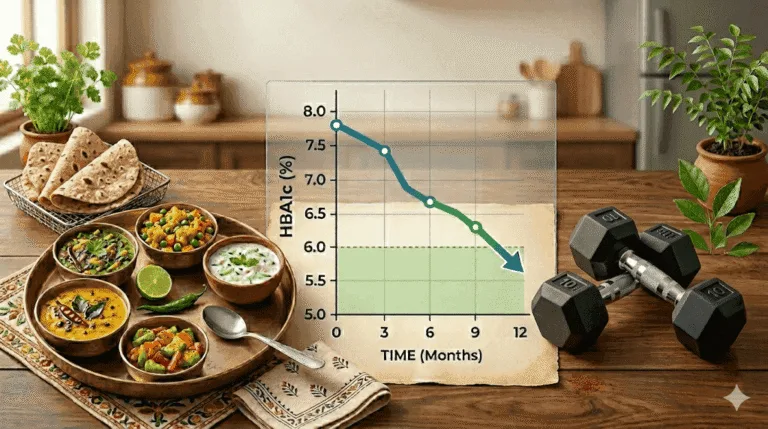
- Week 1: Fasting sugars dropped 30–40 points
- Week 3: Post-meal spikes flattened, medicines reduced
- Week 8: HbA1c fell to 5.2%
- Month 4: Diabetes in reversal
This is not an exception — it’s a pattern.
So, How Long Does It ACTUALLY Take to Reverse Diabetes?
Short answer:
Most people see meaningful improvements within 2–4 weeks and achieve reversal within 3–6 months.
Now let’s break down the science.
Phase 1: Blood Sugar Stabilization (1–4 Weeks)
In the first month, reducing carbohydrates immediately lowers glucose load.
What Improves First?
- Fasting sugar
- Post-meal spikes
- Energy levels
- Cravings and sleep quality
This is why people often see results in days, not months.
Phase 2: Insulin Sensitivity Repair (4–12 Weeks)
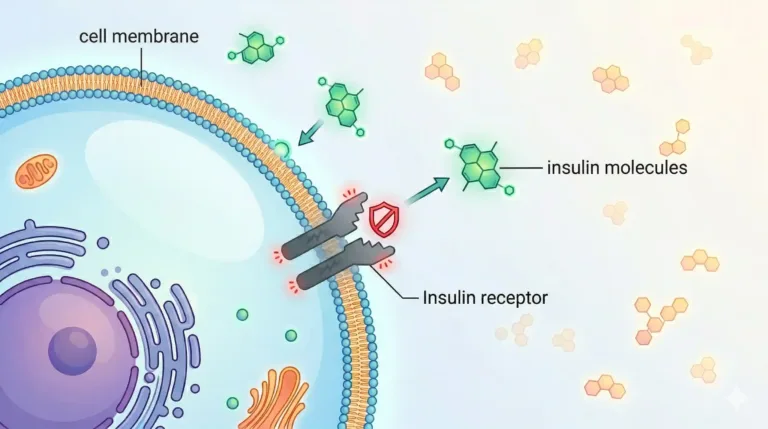
This phase determines how fast you can reverse diabetes naturally.
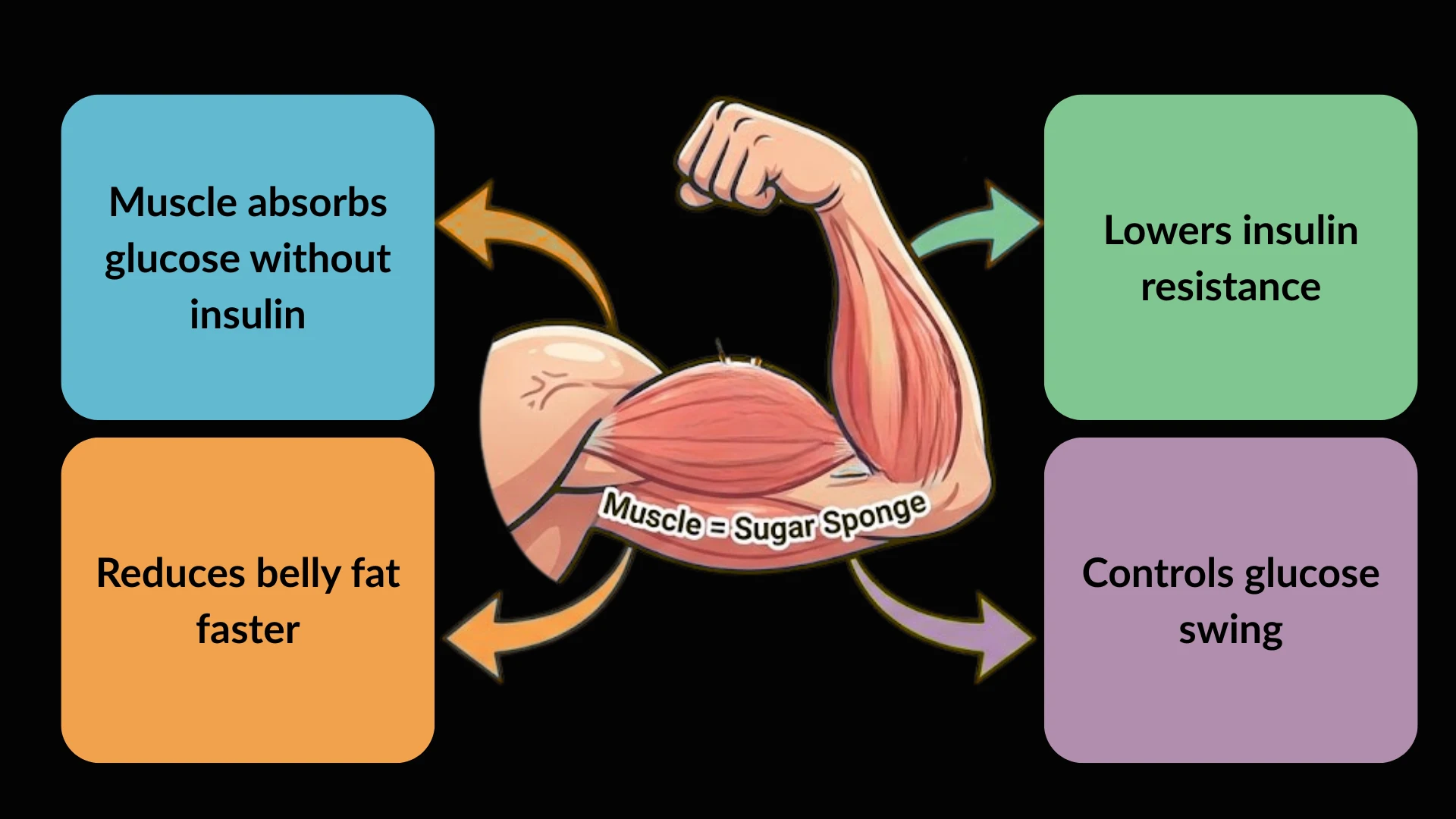
Strength training plays a central role because muscles act as glucose sinks.
Improvements Seen
- HbA1c reduction
- Lower inflammation
- Improved lipid profile
- Reduced medication dependency
Learn more about metabolic repair through structured diabetes reversal programs.
Phase 3: Full Diabetes Reversal (12–24 Weeks)
This is where lab values normalize:
- HbA1c < 5.2%
- Stable sugars without spikes
- Reduced liver fat
- 5–10% body weight loss
Most motivated patients achieve reversal within 3–6 months.
What Influences Your Diabetes Reversal Timeline?
1. Diet Quality
High carbohydrate intake slows reversal. Protein-rich, low-carb diets accelerate it.
2. Body Fat & Visceral Fat
Higher belly fat equals higher insulin resistance.
Addressing obesity through obesity reversal protocols dramatically speeds progress.
3. Physical Activity
Strength training outperforms walking alone for insulin sensitivity.
4. Sleep & Stress
Poor sleep can slow reversal by up to 40%.
How We Track Diabetes Reversal at Redial Clinic
We don’t rely on guesswork. We track:
- Fasting and post-meal glucose
- HbA1c
- Blood pressure
- Weight and waist circumference
- Strength progression
This data-driven approach is why over 90% of our patients succeed.
FAQs
Can diabetes be reversed without medicines?
Yes. Medicines manage sugar; lifestyle fixes insulin resistance.
Is diabetes reversal permanent?
It remains as long as insulin-lowering habits are maintained.
How fast will sugars drop?
Many patients see improvement within 3–7 days.
Can older adults reverse diabetes?
Yes. We regularly reverse diabetes in patients aged 70–85.
What if I have fatty liver or high cholesterol?
The same approach improves all three together.
FINAL VERDICT: How Long Will It Take YOU?
There is no single date — but there is a predictable pattern.
If you follow:
- Low-carb nutrition
- High protein and healthy fats
- Strength training
You can expect:
- Visible changes in 2 weeks
- Major improvements in 4–8 weeks
- Reversal in 3–6 months
Begin your personalised plan with Redial Clinic’s Diabetes Reversal Program for faster, safer, scientifically guided results.
References
- American Diabetes Association — carbohydrate restriction & glycemic control
- Virta Health Clinical Trials — long-term diabetes reversal data
- Diabetes Care Journal — strength training and insulin sensitivity
- BMJ Open Diabetes Research — dietary intervention studies
- National Institute of Health (NIH)
Medical Disclaimer: This content is for educational purposes only and does not substitute professional medical advice, diagnosis, or treatment. Always consult your physician or a qualified healthcare provider before making any changes to your medication, diet, or treatment plan. Individual results may vary.

 Facebook
 Instagram
 LinkedIn