




Weight Loss for Insulin Resistance: A Metabolic Approach That Actually Works
Most people struggling with weight loss for insulin resistance are told to “eat less and move more.” But when the real issue is insulin, calorie restriction does not work. Thousands of patients at Redial Clinic say the same thing:
- “I barely eat carbs but I’m still gaining weight.”
- “I diet for two weeks and regain everything.”
- “My evening hunger is uncontrollable despite eating healthy.”
This isn’t laziness or lack of discipline. This is insulin resistance — a metabolic condition where high insulin levels lock fat inside fat cells, making weight loss feel impossible. Unless insulin resistance improves first, weight loss will always be temporary.
What Happens in Insulin Resistance?
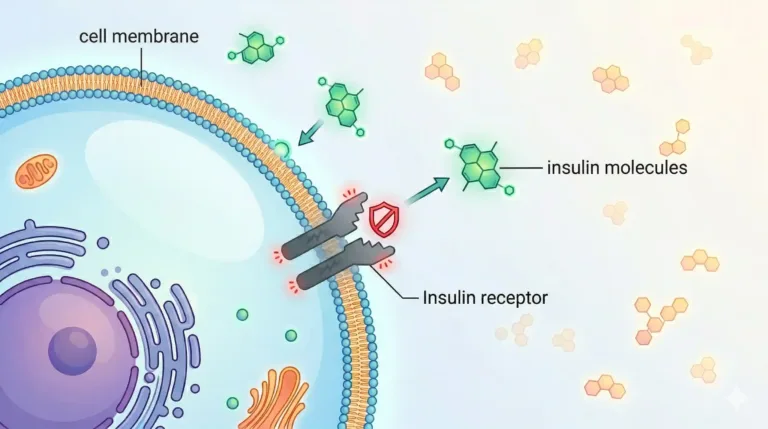
Insulin helps glucose enter the cells. In insulin resistance:
- Glucose stays in the blood → raises blood sugar
- Pancreas releases more insulin → hyperinsulinemia
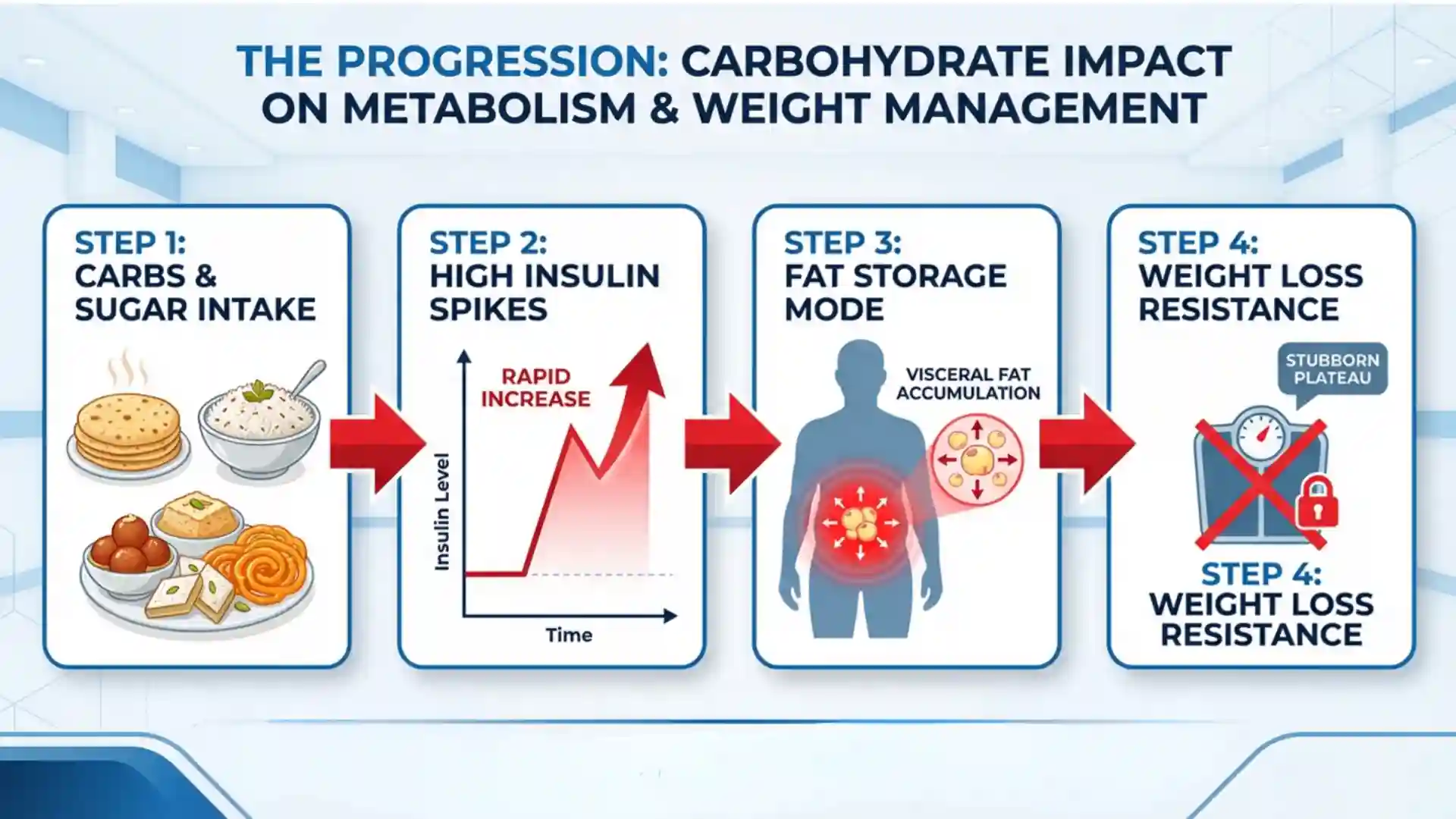
- High insulin blocks fat-burning → the body stores more fat
Insulin is essentially a fat-storage hormone. When insulin remains high all day, fat-burning becomes impossible — even with calorie restriction. The only way to make weight loss easier is to reduce insulin spikes throughout the day.
Targeted Strategies for Weight Loss in Insulin Resistance
These evidence-backed strategies used at Redial Clinic consistently improve metabolic markers and support low-carb diet for insulin resistance plans.
1. Go Low-Carb, Not Low-Calorie
Most patients follow a pattern of:
- Low fat
- High carbs
- Frequent meals
This keeps insulin elevated all day. Switching to:
- Low-carb
- Moderate-to-high protein
- High healthy fats
reduces insulin and activates fat-burning. When carbs drop, the body stops needing large insulin releases and fat becomes the primary fuel source.
2. Protein First at Every Meal
Protein stabilizes blood sugar and reduces cravings.
- Eggs
- Paneer, tofu, soya chunks
- Chicken, mutton, fish
- Greek yogurt
Protein boosts GLP-1 and PYY — satiety hormones that reduce evening hunger and binge eating.
3. Avoid Hidden Carbs
Many “healthy” foods spike insulin without people noticing.
| Food Marketed As Healthy | What Actually Happens |
|---|---|
| Multigrain roti/bread | High glycemic → sugar spike |
| Oats / Dalia / Poha / Idli | Break down into glucose instantly |
| Sprouts & lentils | High carb load |
| Fruit juices & coconut water | High natural sugar |
Replacing these with protein + healthy fats improves insulin dramatically.
4. Two or Three Solid Meals — No Snacking
Every snack → insulin spike. A stable eating structure helps:
- Breakfast → Lunch → Dinner
- Or Brunch + Dinner
Longer gaps keep insulin low, allowing continuous fat burning.
5. Strength Training — Not Endless Cardio
Muscle tissue burns glucose even at rest, making it essential for insulin resistance weight loss plan success.
- 3–4 full-body sessions per week
- Increases insulin sensitivity
- Burns more fat even while resting
6. Sleep, Stress & Cortisol Management
Even perfect nutrition cannot overcome:
- 5–6 hours of sleep
- Chronic stress
- Irregular sleep timing
Stress increases cortisol → cortisol raises insulin → fat storage increases around the belly and torso.
What helps:
- 7–8 hours sleep
- No screens 1 hour before bed
- Consistent sleep timings
Who Benefits the Most?
People with the following conditions show the fastest improvements:
- Belly fat
- High fasting sugar
- High triglycerides
- PCOS
- Fatty liver
- Thyroid issues
- Unexplained weight gain
These are symptoms of insulin resistance — not isolated problems. When insulin improves, everything improves together.
Realistic Timeline for Results
| Week | What Improves |
|---|---|
| 1–2 | Energy, hunger control, bloating |
| 3–4 | Blood sugar control, reduced cravings |
| 5–8 | Visible inch loss + sustainable weight loss |
| 12+ | Stronger metabolic health |
FAQs
Q1. I eat very little — why am I still not losing weight?
Because the issue isn’t calories — it’s high insulin blocking fat-burning. Fix insulin first.
Q2. Should I avoid fruits completely?
High-sugar fruits should be avoided. Low-GI fruits like berries, kiwi, and avocado are safe.
Q3. Will walking alone help?
Walking is healthy but does not correct insulin resistance. Strength training is essential.
Q4. Why do I lose weight fast initially and then stall?
Initial loss is water. True fat loss begins when insulin sensitivity improves.
Final Verdict
For sustainable fat loss, stop focusing on eating less and start lowering insulin spikes. When insulin stays low:
- Hunger reduces
- Sugar stabilizes
- Fat burning becomes effortless
- Weight loss becomes natural and sustainable
At Redial Clinic, we use a medically supervised low-carb, high-protein, healthy-fat plan with strength training to reverse insulin resistance and achieve metabolic healing.
References
- Harvard T.H. Chan School of Public Health – Low-carb diets improve insulin sensitivity.
- American Diabetes Association – Carbohydrate reduction is most effective for lowering glucose.
- Journal of Clinical Endocrinology & Metabolism – High-protein diets improve satiety hormones.
- Nature Metabolism – Strength training reverses insulin resistance.
- BMJ Nutrition – Low-carb diets outperform low-fat diets for long-term weight loss in insulin resistance.
Internal Links:
Medical Disclaimer: This content is for educational purposes only and does not substitute professional medical advice, diagnosis, or treatment. Always consult your physician or a qualified healthcare provider before making any changes to your medication, diet, or treatment plan. Individual results may vary.

 LinkedIn