



Plant-Based Diet for Diabetes: Complete Guide with Indian Meal Plans
Authored by Mansi Bhatt, Clinical Nutritionist
Introduction to Plant-Based Diet for Diabetes
Plant-based diet for diabetes strategies are helping Indian patients lower blood sugar, reduce insulin resistance, and improve long-term health outcomes. Diabetes is no longer just a lifestyle disorder; it has become a silent epidemic in India. With rising cases of type 2 diabetes among both urban and rural populations, diet plays the most critical role in prevention and reversal. A plant based diet for diabetes has gained popularity because of its ability to regulate blood sugar naturally, reduce cholesterol, and promote weight loss.
Unlike fad diets, this approach is sustainable because it uses familiar Indian foods like paneer, tofu, soya chunks, tempeh, and non-starchy vegetables. At Redial Clinic, we’ve seen countless patients achieve better control with a customized diabetes meal plan that emphasizes plant power.
How Plant-Based Foods Help in Diabetes Management
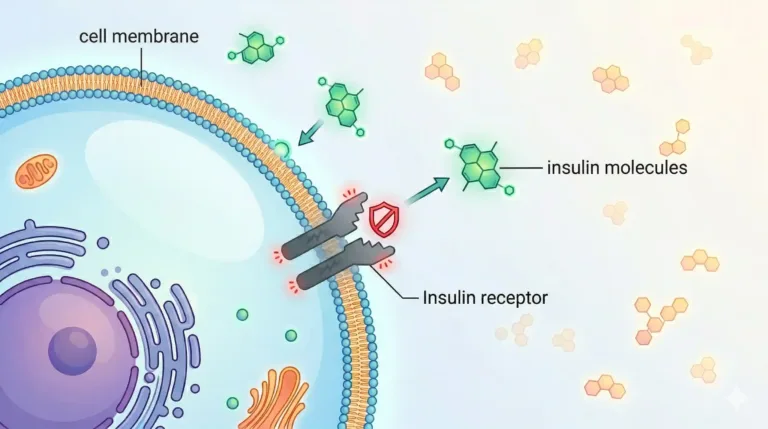
Plant-based eating is more than just avoiding meat—it’s about using food as medicine. By choosing the right combinations of vegetables, proteins, and fats, patients can experience better insulin sensitivity, fewer sugar spikes, and improved energy. Our nutrition team integrates this within Diabetes Reversal and Obesity Reversal pathways.
Benefits of a Vegan Diet for Diabetes Control
A vegan diet for diabetes control provides fiber, antioxidants, and plant proteins without the burden of excess saturated fats. Clinical research shows it helps:
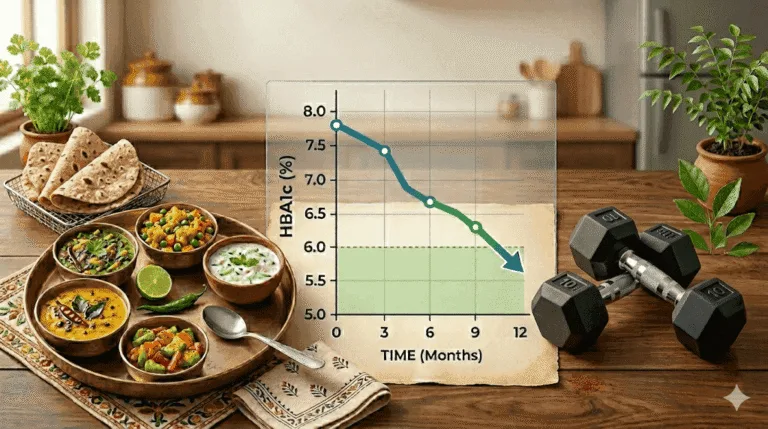
- Improve HbA1c levels within weeks.
- Lower LDL cholesterol and triglycerides.
- Reduce inflammation and cravings.
For many patients, switching to this eating pattern also improves digestion and long-term heart health.
Role of Low Glycemic Plant-Based Foods
Not all vegetables or fruits are equally beneficial. Low glycemic plant-based foods like lauki, karela, cucumber, palak, and zucchini digest slowly, preventing sugar spikes. These should be the base of any diabetes diet plan, combined with healthy fats and proteins to provide steady energy and satiety.
Plant-Based Diet Plan for Type 2 Diabetes
For type 2 diabetes, structure is key. A plant based diet plan for type 2 diabetes reduces carbohydrate load and replaces it with protein-rich plant foods, ensuring steady sugar control without hunger pangs.
Foods to Include and Avoid

When planning a diet, knowing what to eat and what to avoid helps prevent mistakes.
Foods to Include:
- Proteins: Paneer, tofu, soya chunks, tempeh.
- Fats: Desi ghee, white makkhan, virgin coconut oil, extra virgin olive oil.
- Vegetables: Lauki, tinda, turai, palak, methi, cucumber, cauliflower, broccoli, zucchini.
- Low-GI fruits: Berries, kiwi, guava, avocado.
- Seeds: Chia, pumpkin seeds.
Foods to Avoid:
- Lentils, dals, and pulses (higher carb load).
- Refined grains like white rice, maida, bread, noodles.
- Fruit juices and high-GI fruits (banana, mango, chikoo).
- Packaged “sugar-free” products with hidden carbs.
Need a clinician-built plan? Explore our Diabetes Reversal program.
Indian-Style Diabetes Meal Plan Guidelines
An Indian-style diabetes diet plan doesn’t need to be complicated. It should focus on high-quality protein, vegetables for fiber and micronutrients, and a balance of healthy fats for satiety. Meals should avoid mixing too many foods at once; instead, they should be built around a single protein with 1–2 vegetable sides.
Sample Plant Based Diet Plan for Type 2 Diabetes
Here’s a sample day structure:
- Breakfast: Paneer bhurji with palak + cucumber salad.
- Lunch: Lauki sabzi + grilled tofu cubes + avocado dip.
- Dinner: Soya chunks curry + sautéed broccoli.
This simple format can be adapted across the week using different proteins and vegetables, keeping the diabetes meal plan both enjoyable and effective.
Easy Diabetes Recipes with Plant-Based Foods
Food is often where patients struggle most, but the right recipes can make the transition seamless. Diabetes recipes that use traditional Indian ingredients with small modifications allow patients to enjoy their meals without guilt.
Traditional Indian Dishes with a Healthy Twist
- Paneer Bhurji with Spinach – Protein-rich and low carb.
- Stuffed Karela – A crunchy, diabetes-friendly snack.
- Broccoli Soup with Pumpkin Seeds – Light, hydrating, and filling.
Quick and Simple Diabetes Meal Plan Ideas
- Bhindi sabzi with tofu bhurji.
- Cauliflower mash with paneer tikka.
- Chia seed yogurt bowl with blueberries.
These small swaps make a diabetes meal plan easier to follow daily.
Practical Tips for Following a Plant-Based Diet for Diabetes
Consistency matters more than perfection. Patients who prepare in advance find it easier to stick to their diet.
Grocery Shopping Guide for Plant Based Foods for Diabetes
To follow a sustainable diet, stock your kitchen with the right foods. Keep fresh seasonal vegetables, paneer, tofu, soya chunks, and tempeh. Add seeds like chia and pumpkin for quick meals. Avoid aisles with biscuits, breads, and “sugar-free” snacks.
Balancing Nutrients and Portion Sizes
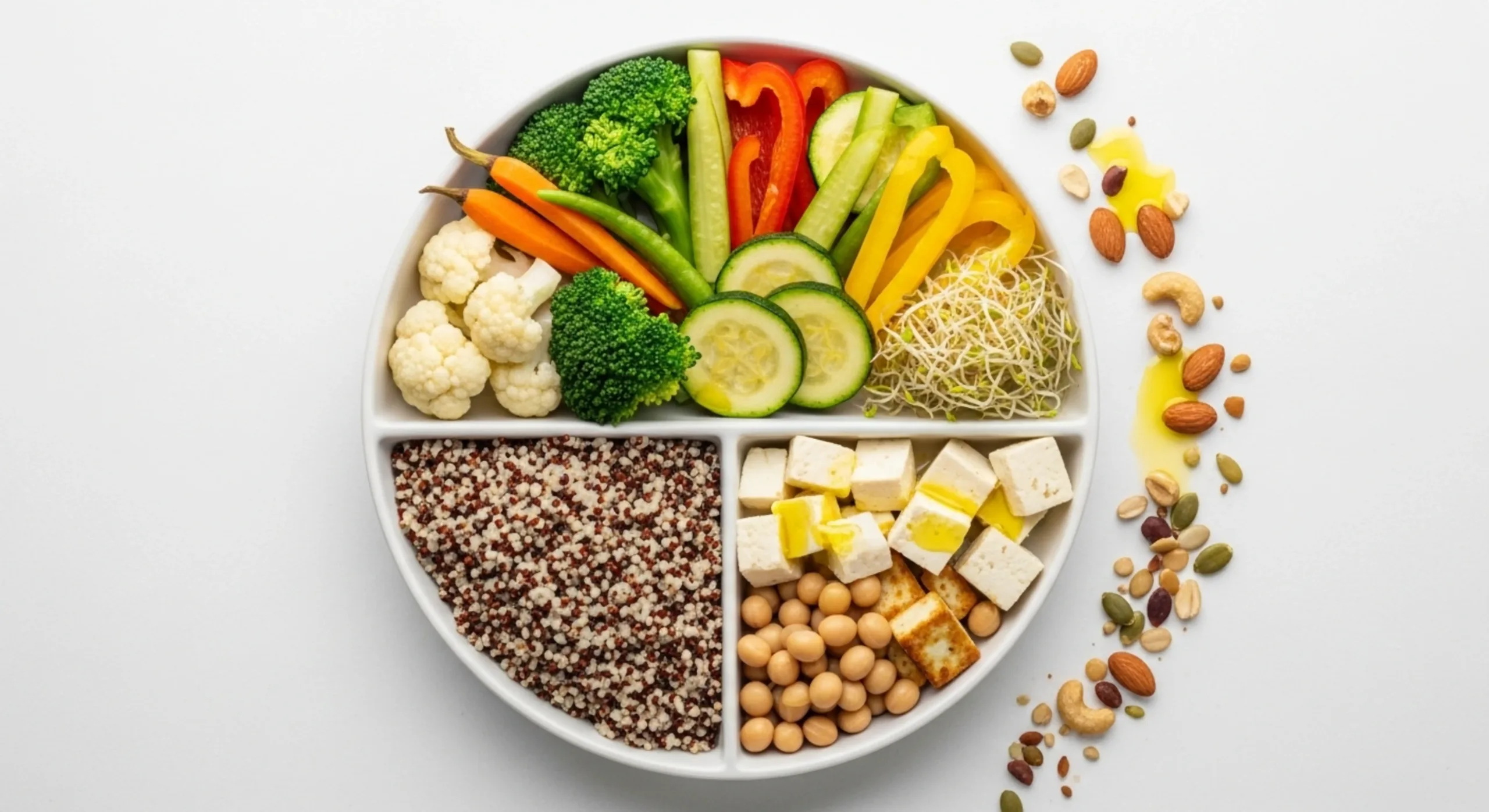
Even with plant based foods for diabetes, overeating carbs like fruits can cause sugar spikes. Aim for:
- Half the plate vegetables.
- One-fourth protein (paneer, tofu, soya).
- One-fourth healthy fats.
This balance ensures long-term success with any diabetes meal plan. If you also struggle with PCOS or BP, our PCOS Management and Hypertension Reversal programs align nutrition across conditions.
Can Redial Clinic Guide You Towards Better Diabetes Management?
At Redial Clinic, Green Park, Delhi, we specialize in diabetes reversal through nutrition. Many patients come to us after trying standard diets without success. By creating a personalized diabetes diet plan, we help them adopt a plant based diet for diabetes that suits their lifestyle, tastes, and health goals. Our case studies show improved HbA1c, weight loss, and reduced medication dependence within weeks. Learn more about Diabetes Reversal and Obesity Reversal.
Conclusion
A plant based diet for diabetes is one of the most effective and sustainable approaches for long-term control. By focusing on proteins like paneer, tofu, tempeh, and soya chunks, combining them with low glycemic plant-based foods, and cooking simple diabetes recipes, patients can reverse insulin resistance and reduce dependence on medicines. With structured plans and guidance, this isn’t just a diet—it’s a lifestyle change that empowers patients to live healthier, medication-free lives.
Final Verdict
A plant based diet for diabetes is not about avoiding food—it’s about eating smarter. By designing meals around plant based foods for diabetes, Indian patients can enjoy familiar tastes while achieving long-term sugar stability. Redial Clinic provides personalized diabetes meal plans that make this shift practical and sustainable.
📍 Book Your Diabetes Reversal Consultation
FAQs
Is a plant-based diet safe for people with type 2 diabetes?
Yes, a plant based diet for diabetes is safe and effective when balanced with protein and healthy fats.
Can a vegan diet for diabetes control help reduce insulin resistance?
Yes, a vegan diet for diabetes control is scientifically proven to improve insulin sensitivity.
What are the best low glycemic plant-based foods for Indian meals?
Lauki, karela, palak, cucumber, and broccoli are some of the best low glycemic plant-based foods.
How do you create a balanced diabetes diet plan with Indian meals?
A diabetes diet plan with Indian meals should focus on proteins like paneer and tofu, vegetables, and adequate healthy fats.
References
| No. | Source | Key Findings |
|---|---|---|
| 1 | American Diabetes Association | Plant-based diets improve HbA1c and insulin sensitivity. |
| 2 | Journal of Geriatric Cardiology | Vegan diets reduce cholesterol and heart risks in diabetes. |
| 3 | Indian Journal of Endocrinology & Metabolism | Low GI Indian vegetables support blood sugar control. |
| 4 | Redial Clinic Case Studies | Customized plant-based Indian diets improved sugar within 12 weeks. |
| 5 | American Diabetes Association — Diabetes & Vegetarian/Vegan Diet | Outbound reference: Practical guidance and evidence on vegetarian/vegan patterns for diabetes management. |
Medical Disclaimer: This content is for educational purposes only and does not substitute professional medical advice, diagnosis, or treatment. Always consult your physician or a qualified healthcare provider before making any changes to your medication, diet, or treatment plan. Individual results may vary.

 LinkedIn