




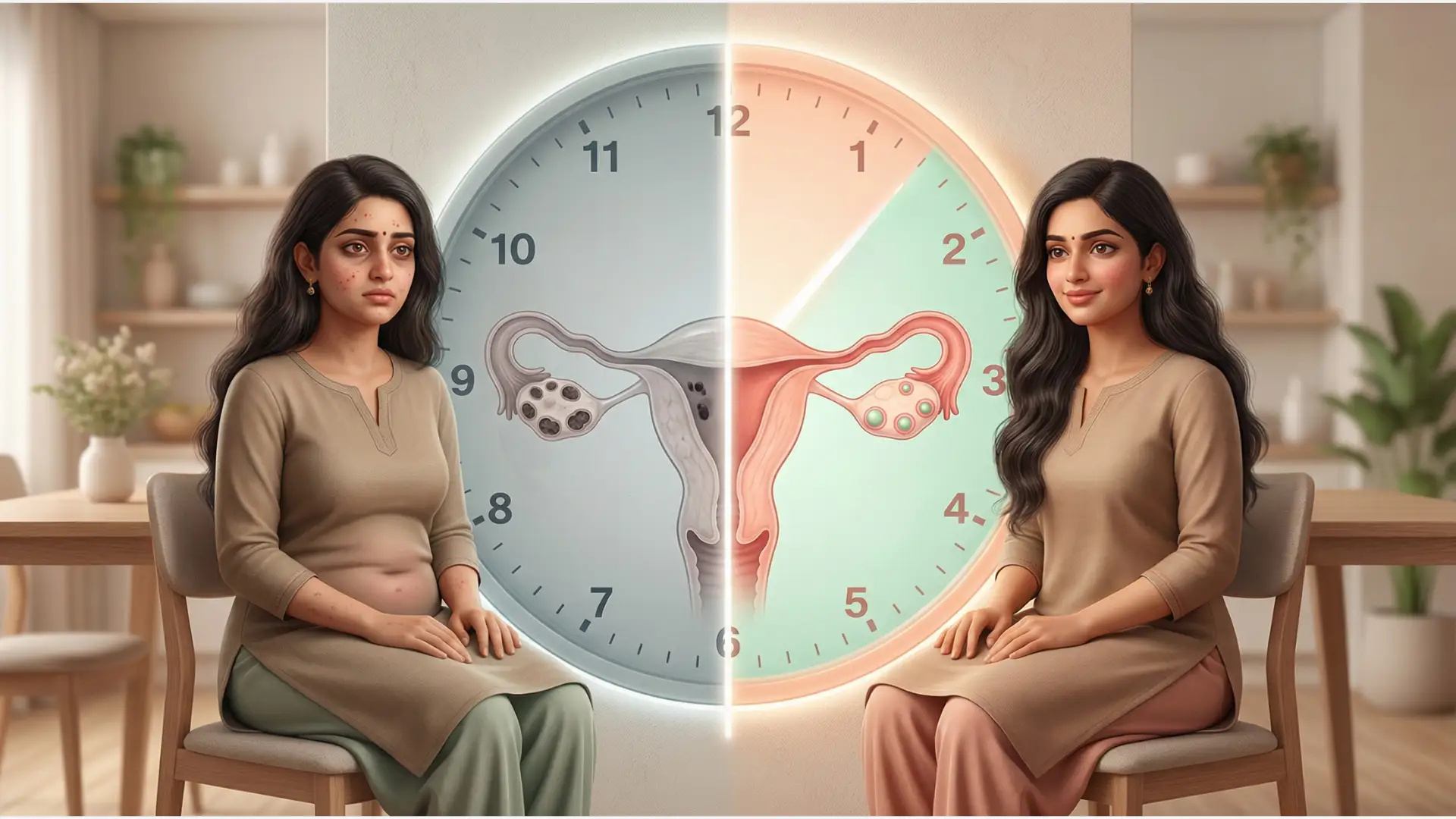
Can Intermittent Fasting Specifically Help Manage PCOS?
Intermittent Fasting for PCOS is becoming one of the most effective, science-backed lifestyle tools for improving insulin resistance, balancing hormones, reducing inflammation, and supporting sustainable fat loss. PCOS (Polycystic Ovarian Syndrome) is more than a hormonal condition — it is fundamentally a metabolic disorder driven by insulin resistance, which triggers irregular periods, acne, facial hair growth, stubborn weight gain, and mood imbalances.
Most women are told to “eat less” — but PCOS is not a calorie issue. It is an insulin imbalance issue. At Redial Clinic, we consistently observe that when insulin resistance improves, PCOS symptoms begin to reverse. This is exactly where Intermittent Fasting (IF) fits in. By reducing the frequency of insulin spikes, IF helps restore metabolic harmony and hormonal balance naturally.
How Intermittent Fasting Supports PCOS Recovery
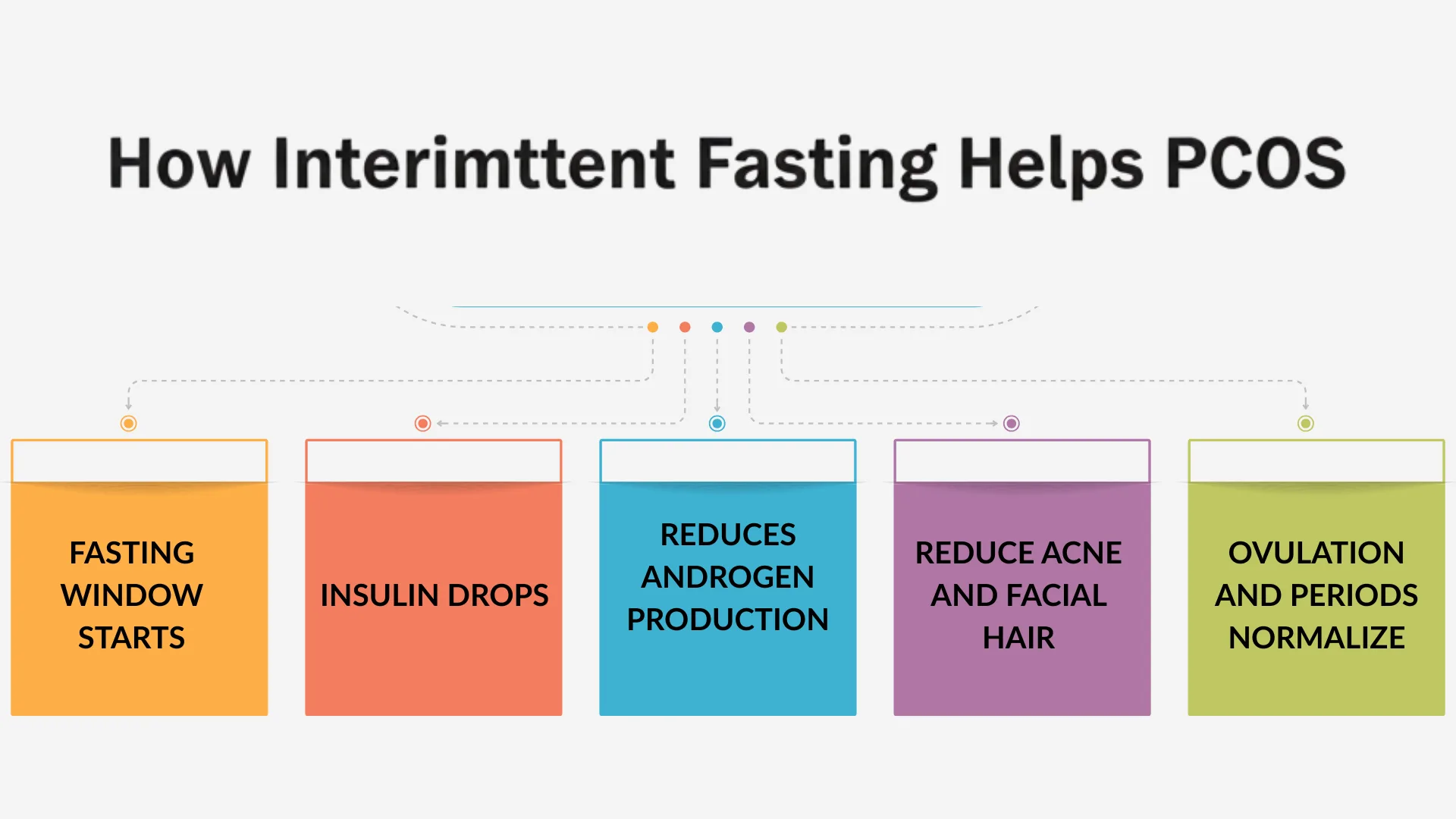
Intermittent fasting is not about deprivation — it is about timing. The fasting window gives the body a break from constant insulin stimulation, allowing metabolism and hormones to reset. Here’s how IF enhances intermittent fasting PCOS benefits:
1. Improves Insulin Sensitivity
Most women with PCOS experience elevated insulin levels. Fasting reduces how often insulin is released, helping cells become more receptive and reversing insulin resistance over time.
2. Balances Hormones and Restores Ovulation
Lower insulin directly reduces ovarian androgen production, which helps:
- Normalize menstrual cycles
- Reduce acne
- Reduce facial hair growth
3. Accelerates Fat Loss (Especially Belly Fat)
When insulin remains low, the body begins burning stored fat more effectively — especially visceral belly fat that worsens PCOS symptoms.
4. Lowers Inflammation
Chronic low-grade inflammation is a hallmark of PCOS. IF reduces inflammatory markers and improves energy levels and mental clarity.
5. Supports Gut Health
A longer digestive rest period improves bloating, gut motility, and hunger-regulating hormones such as ghrelin and leptin.
Best Intermittent Fasting Schedules for PCOS
The right fasting window depends on the individual’s lifestyle, symptoms, and metabolic markers. The most effective patterns for women with PCOS include:
| Fasting Pattern | Eating Window | Best For |
|---|---|---|
| 14:10 | 14-hour fast / 10-hour eating | Beginners |
| 16:8 | 16-hour fast / 8-hour eating | Intermediate |
| 18:6 | 18-hour fast / 6-hour eating | Women with stubborn weight loss |
Nutrition Matters More Than Fasting
Simply fasting is not enough. What you eat during the eating window determines whether insulin resistance improves or worsens. For PCOS recovery, the most effective and sustainable nutritional approach is:
- Low-carb meals (berries, avocado, lauki, tinda)
- High protein foods (paneer, tofu, eggs, chicken, fish, mutton)
- Healthy fats (desi ghee, white makkhan, coconut oil, olive oil, nuts, seeds)
Habits that break the fasting benefits by spiking insulin:
- ❌ Frequent snacking
- ❌ Refined sugar and flour
- ❌ Processed foods and refined oils
For deep metabolic improvement, combining fasting with lifestyle therapies works extremely well. Learn more about metabolic reversal at:
- PCOS Management
- Diabetes Reversal
- Obesity Reversal
- Hypertension Reversal
- Lifespan Extension
- Anti-Cancer Nutrition Support
A Real Redial Clinic Case Study
A 29-year-old woman came to Redial Clinic with classic PCOS symptoms — irregular cycles for seven months, belly fat, cystic acne, and chronic fatigue. She had tried low-calorie diets, Zumba workouts, and detox regimes, but nothing worked.
We made three powerful changes:
- Shifted her to a 16:8 Intermittent Fasting routine
- Introduced low-carb, high-protein, healthy-fat meals
- Added strength training to increase muscle mass and reduce insulin resistance
Within six weeks, she experienced:
- Regularized menstrual cycles
- Reduced acne
- Improved energy levels
- Noticeable belly fat reduction
- Stabilized mood
Her words: “For the first time in years, my body is working with me — not against me.”
Frequently Asked Questions
1. Is fasting safe for women with irregular periods?
Yes. When paired with nutrient-rich meals, fasting often improves cycle regularity within 6–10 weeks.
2. Can I exercise while fasting?
Yes — strength training during fasting enhances insulin sensitivity and metabolic function.
3. Should I skip breakfast for IF?
If it suits your routine, yes. Meal timing is flexible — maintaining the fasting window matters more.
4. Will fasting slow down my metabolism?
No. Studies show fasting windows of 14–18 hours actually boost fat-burning hormones like growth hormone and noradrenaline.
Final Verdict
Intermittent Fasting for PCOS is one of the most powerful, scientifically supported strategies for reversing insulin resistance, balancing hormones, reducing inflammation, and restoring metabolic health. When paired with:
- Low-carb meals
- High protein and healthy fats
- Strength training
PCOS reversal becomes not just possible — but sustainable and long-lasting. Start your personalised metabolic healing journey at Redial Clinic, Green Park.
References
- Journal of Clinical Endocrinology & Metabolism — IF improves insulin sensitivity and reduces androgen levels in women with PCOS. (NIH)
- International Journal of Obesity — Intermittent fasting reduces abdominal fat and inflammation in insulin-resistant women.
- Harvard T.H. Chan School of Public Health — Fasting reduces insulin spikes and supports hormonal balance.
- Nutrition & Metabolism Journal — Low-carb, high-protein diets combined with IF show superior improvements in PCOS symptoms.
- British Medical Journal — Strength training during IF enhances reproductive and metabolic hormone function.
- NIH — Intermittent fasting metabolic health overview (authoritative reference).
Medical Disclaimer: This content is for educational purposes only and does not substitute professional medical advice, diagnosis, or treatment. Always consult your physician or a qualified healthcare provider before making any changes to your medication, diet, or treatment plan. Individual results may vary.
 Facebook
 Instagram
 LinkedIn