




Can Yoga Help Reverse Diabetes?
Can yoga reverse diabetes? This is one of the most common questions asked by people newly diagnosed with type 2 diabetes. Yoga is often recommended as a “natural solution” for blood sugar control. But at Redial Clinic, our position is clear and evidence-based: yoga does not help reverse diabetes.
People may feel calmer, lighter, or more flexible, but their insulin resistance remains unchanged. And without correcting insulin resistance, diabetes cannot reverse.
What Diabetes Reversal Actually Requires
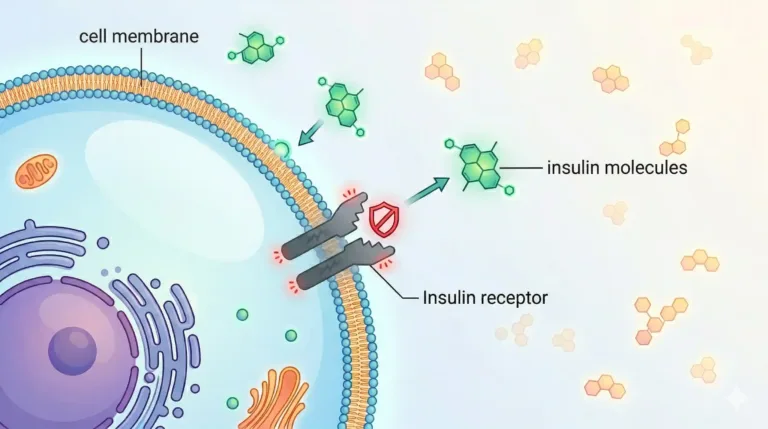
Type 2 diabetes is a disease of chronic insulin resistance, primarily affecting:
- Skeletal muscle
- Liver
- Visceral fat tissue
True diabetes reversal means:
- Normal fasting glucose
- Controlled post-meal glucose
- HbA1c below the diabetic range
- No dependency on medication
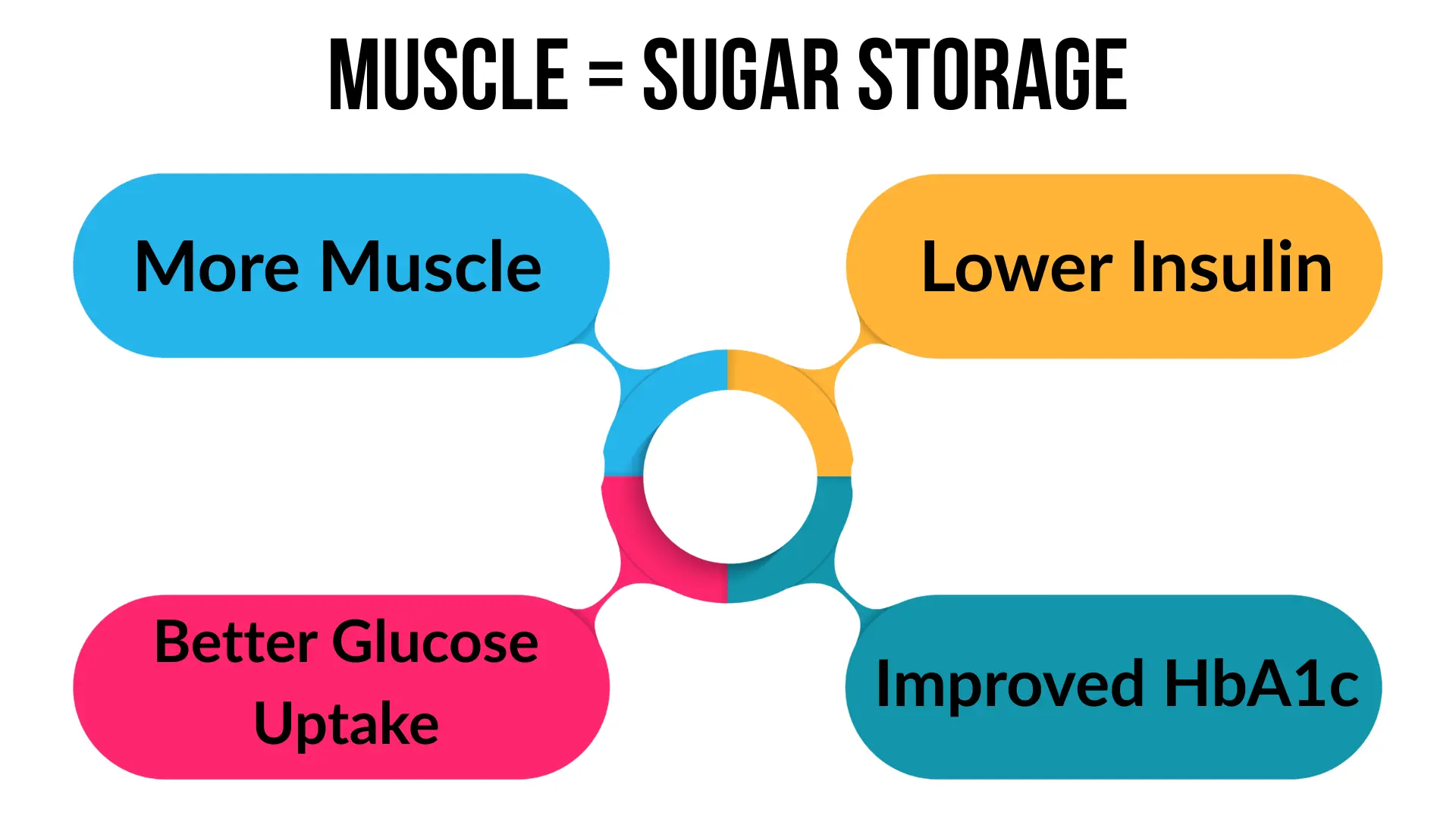
This requires the body to efficiently pull glucose into cells and lower insulin demand — a process driven mainly by muscle tissue.
Why Yoga Fails at Reversing Diabetes
1. Yoga Does Not Build Muscle
Muscle is the primary glucose storage and disposal organ. Yoga does not produce:
- Muscle hypertrophy
- Progressive overload
- Mechanical resistance
No muscle gain means glucose has nowhere to go. Without muscle growth, diabetes reversal cannot occur.
2. Yoga Burns Too Few Calories to Fix Metabolism
Yoga is a low-intensity activity. It does not significantly:
- Reduce visceral fat
- Increase resting metabolic rate
- Improve glucose uptake capacity
Relaxation is not the same as metabolic repair.
The Dangerous Myth: “Yoga Controls Diabetes”
Many people practicing yoga regularly still:
- Require increasing medication
- Show rising HbA1c levels
- Develop diabetes complications
Calm nerves do not fix insulin resistance. Diabetes is a metabolic disease — not a stress disorder.
What Actually Reverses Diabetes
Strength Training: The Missing Link
Strength training directly targets insulin resistance. It:
- Increases muscle mass
- Improves GLUT-4 activity
- Pulls glucose into muscle cells
- Lowers insulin demand
This is physiology, not opinion.
Learn more about structured programs at our Diabetes Reversal Program.
Muscle Is the Most Powerful Glucose-Lowering Organ
Patients who follow strength training consistently experience:
- Lower fasting glucose
- Better HbA1c
- Reduced medication dependence
Yoga cannot produce these outcomes.
Yoga vs Strength Training: The Reality
| Factor | Yoga | Strength Training |
|---|---|---|
| Muscle gain | ❌ None | ✅ Significant |
| Visceral fat reduction | ❌ Poor | ✅ High |
| Long-term HbA1c reduction | ❌ Inconsistent | ✅ Reliable |
| Diabetes reversal | ❌ No | ✅ Yes |
Then Why Do People Feel Better With Yoga?
Yoga improves:
- Stress levels
- Flexibility
- Sleep quality
These are comfort benefits, not reversal mechanisms.
The Redial Clinic Position
We do not prescribe yoga as a diabetes reversal strategy. Our clinical approach focuses on:
- Progressive strength training
- Insulin-sensitizing nutrition
- Muscle preservation and growth
- Long-term metabolic correction
Yoga may be practiced recreationally, but it is never used as treatment.
FAQs
Can yoga reverse type 2 diabetes?
No. Yoga does not fix insulin resistance or increase muscle mass.
Can yoga replace strength training?
No. They are not metabolically comparable.
Why do doctors still recommend yoga?
Because it is safe and familiar — not because it reverses diabetes.
What is the minimum exercise needed to reverse diabetes?
Progressive strength training at least three times per week.
Final Verdict
Yoga does not help reverse diabetes. It may calm the mind, but diabetes is not caused by stress alone. Diabetes reverses only when muscle mass increases and insulin resistance drops — through strength training, correct nutrition, and consistency.
References
- American Diabetes Association — Muscle mass improves insulin sensitivity
- Diabetologia — Resistance training lowers HbA1c more than aerobic exercise
- Journal of Clinical Endocrinology & Metabolism — Skeletal muscle as primary glucose disposal tissue
- WHO Physical Activity Guidelines — Strength training for metabolic health
Medical Disclaimer: This content is for educational purposes only and does not substitute professional medical advice, diagnosis, or treatment. Always consult your physician or a qualified healthcare provider before making any changes to your medication, diet, or treatment plan. Individual results may vary.

 Facebook
 Instagram
 LinkedIn