




Is Diabetes Reversal Permanent?
Is diabetes reversal permanent—or does it quietly return after the reports improve?
This is the most important question patients ask once fasting sugar normalises, HbA1c drops, and medicines are stopped.
Introduction: The Question That Comes After Good Reports
For someone living with type 2 diabetes, normal blood sugar reports feel like victory. But relief is often followed by fear. Will diabetes come back? This question is medically critical because most relapses occur not due to failure, but misunderstanding.
Diabetes Is More Than Just High Sugar
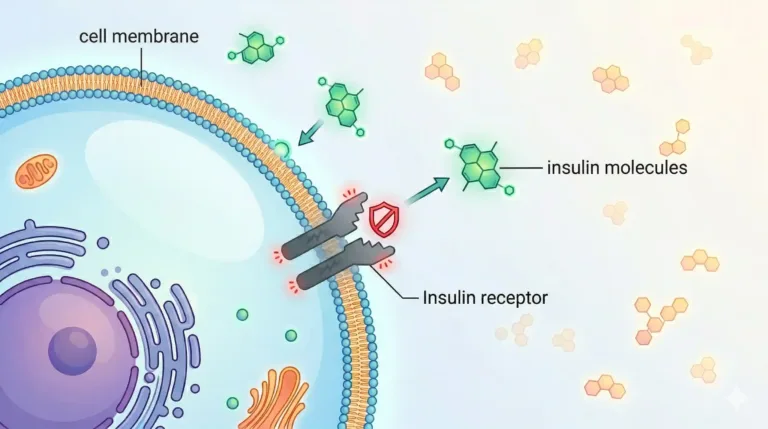
Type 2 diabetes is not caused by sugar alone. It is primarily a disease of insulin resistance. Excess liver fat, abdominal fat, muscle loss, stress, poor sleep, and constant eating drive insulin levels high long before blood sugar rises.
What Does “Diabetes Reversal” Actually Mean?
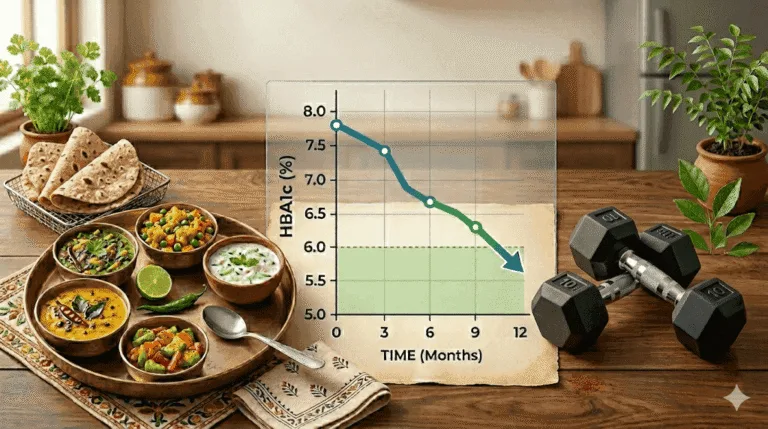
Clinically, diabetes reversal means maintaining non-diabetic blood sugar ranges without medication. The body remains susceptible; the metabolism is simply under control.
Is Diabetes Reversal Permanent?
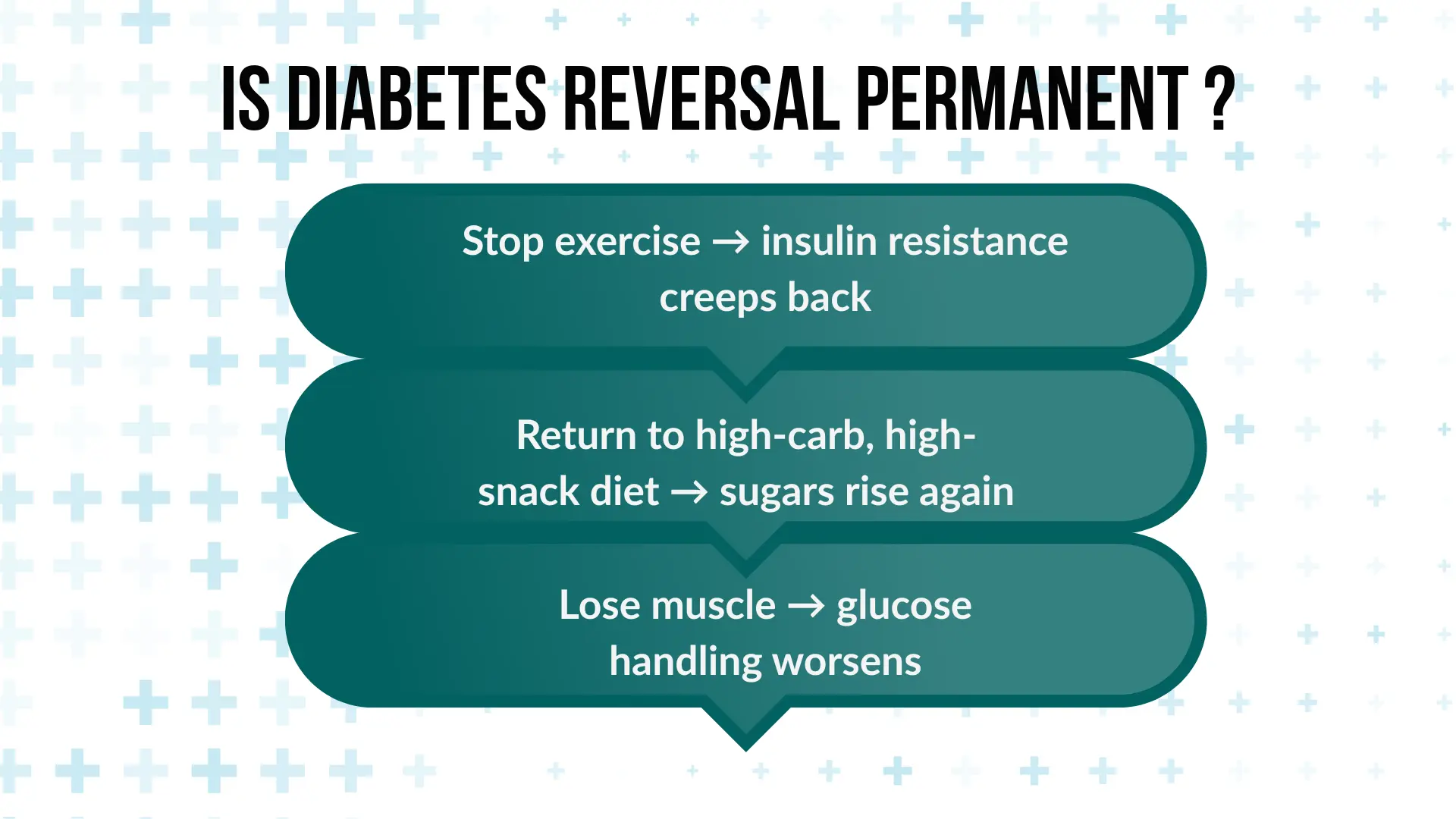
Diabetes reversal becomes permanent only as long as the lifestyle that caused reversal is maintained. Diabetes behaves like a dimmer switch, not an on-off bulb. Habits determine direction.
Why Diabetes Comes Back After Reversal
Most relapses follow a predictable pattern—frequent meals, refined carbs, weight gain, increasing visceral fat, rising liver glucose output, and muscle loss. By the time HbA1c rises, insulin resistance has been active for months.
The Role of Fatty Liver in Diabetes Relapse
Fatty liver strongly predicts diabetes relapse. When liver fat increases, insulin suppression fails and fasting glucose rises. Early correction reverses this process.
Muscle Mass: The Missing Piece in Long-Term Reversal
Muscle is the largest glucose sink in the body. Adequate muscle protects against relapse, while muscle loss worsens insulin resistance—even in lean individuals.
Diabetes Reversal vs Diabetes Cure
Diabetes reversal is not a cure. It is a maintained metabolic state. Like hypertension or fatty liver, control persists only while stressors remain controlled.
Can Diabetes Reversal Last for Life?
Yes. Diabetes reversal long term is achievable. Individuals who maintain muscle, waist control, meal spacing, and insulin awareness often stay non-diabetic for decades.
Can You Eat Normally After Reversal?
Modern diets are not physiologically normal. After reversal, eating patterns must support insulin sensitivity—low-glycemic foods, adequate protein, real fats, and fewer insulin spikes.
The Role of Intermittent Fasting
Intermittent fasting reduces insulin exposure, supports liver fat reduction, and stabilises glucose. It supports reversal but is not a standalone cure.
Why Monitoring Still Matters After Reversal
Monitoring HbA1c, fasting sugar, weight, waist circumference, and strength helps detect relapse early—before medications are needed again.
Common Myths About Diabetes Reversal
Believing diabetes is “gone forever” after normal reports often leads to relapse. Awareness, not fear, sustains reversal.
Frequently Asked Questions (FAQs)
Can diabetes return after many years of reversal?
Yes. If insulin resistance rebuilds, relapse remains possible.
Is medication always required if diabetes returns?
No. Early lifestyle correction often restores control.
Is lifelong restriction required?
No. Lifelong consistency and metabolic awareness are required.
Final Verdict: Is Diabetes Reversal Permanent?
Is diabetes reversal permanent? It becomes permanent only through sustained lifestyle choices. If insulin resistance stays low and muscle mass is preserved, diabetes may never return.
At Redial Clinic, we focus on personalised nutrition, muscle preservation, and sustainable strategies—not temporary fixes.
References
- Taylor R et al., Diabetologia — Liver fat reduction reverses diabetes
- UK DiRECT Trial — Weight loss and diabetes reversal
- American Diabetes Association — Diabetes remission recognition
- World Health Organization — Lifestyle modification and diabetes prevention
- Muscle-Insulin Sensitivity Studies — Muscle improves glucose uptake
Medical Disclaimer: This content is for educational purposes only and does not substitute professional medical advice, diagnosis, or treatment. Always consult your physician or a qualified healthcare provider before making any changes to your medication, diet, or treatment plan. Individual results may vary.

 Facebook
 Instagram
 LinkedIn