



Introduction: Rethinking Blood Pressure Management
For decades, the first advice most people hear after being diagnosed with high blood pressure (hypertension) is:
“Cut down on salt, avoid ghee, and eat more grains.”
Yet despite following this, millions still struggle with uncontrolled blood pressure, rising medication doses, and worsening metabolic health.
At Redial Clinic, we approach blood pressure control differently—by addressing the root cause: insulin resistance and metabolic syndrome, not just the symptoms.
This blog explains why lifestyle—not salt restriction—is the real key to long-term Lifestyle Modifications for Blood Pressure Control.
Understanding the Root Cause of High Blood Pressure
Hypertension isn’t just about tight arteries or high salt intake. In most modern cases, it’s linked to deeper metabolic issues:
- Insulin Resistance: High-carb diets elevate insulin, causing fluid retention, weight gain, and stiffened blood vessels.
- Excess Visceral Fat: Triggers inflammation and hormonal imbalance, worsening BP.
- Poor Kidney Function: Often from long-term insulin resistance, not salt.
- Nutrient Imbalances: Processed carb-heavy diets cause magnesium and potassium deficiencies, affecting vascular tone.
Myth vs. Reality: Salt Restriction in Hypertension
| Common Belief | The Reality |
|---|---|
| Salt is the main reason for high BP | For most people, salt isn’t the main cause. High-carb diets raise insulin, which causes sodium and water retention. |
| Low-salt diets are always safe | Excess restriction can cause fatigue, cramps, dizziness, and worsen insulin resistance. |
| Low-sodium salts are healthier | These often contain additives that disrupt electrolyte balance. |
Our Perspective: At Redial Clinic, we don’t recommend strict salt restriction for most patients. Instead, we improve insulin sensitivity with targeted nutrition and hypertension reversal programs.
Effective Lifestyle Modifications for Blood Pressure Control

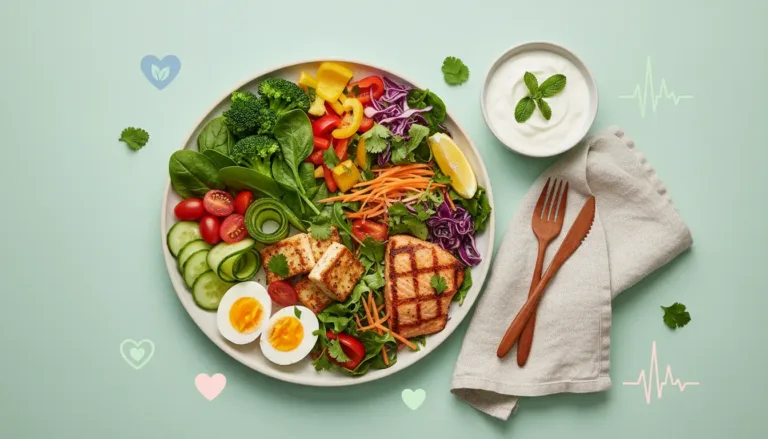
1. Switch to a Low-Carb, High-Protein, Healthy-Fat Diet
A typical high-carb Indian diet—loaded with rotis, rice, dal, and snacks—keeps insulin high and worsens both sugar and BP.
- Carbs: Limit to 15–20% of daily calories (avoid rice, wheat, biscuits, sweets).
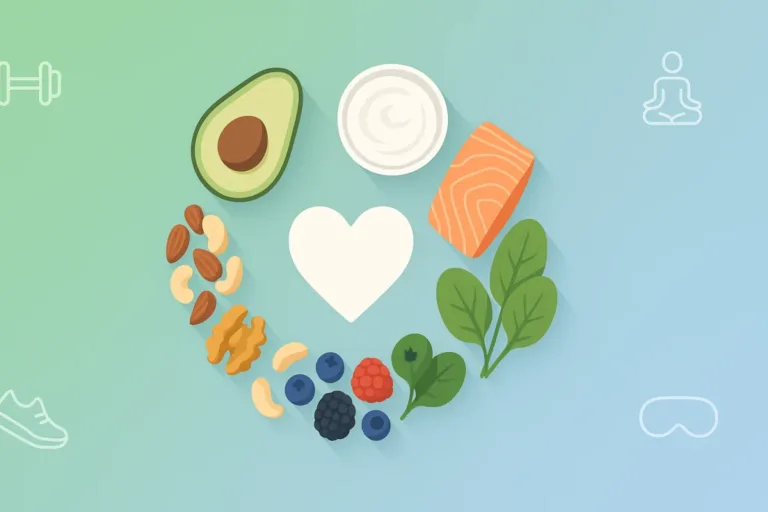
- Protein: Paneer, eggs, fish (Rohu, Surmai, Salmon), chicken, mutton, Greek yogurt.
- Fats: Use desi ghee, white makkhan, virgin coconut oil, or extra virgin olive oil.
- Vegetables: Non-starchy Indian veggies—lauki, tinda, turai, karela, spinach, cabbage, cucumber.
- Hydration: Use natural salts (Himalayan pink salt or rock salt) to balance electrolytes.
Clinical Insight: Patients switching to low-carb, high-protein diets often see a 5–15 mmHg BP drop within weeks, with improved blood sugar and reduced belly fat. Explore diabetes reversal and obesity reversal for comprehensive metabolic correction.
2. Maintain a Healthy Weight
Every kilogram lost reduces cardiac strain. Low-carb diets enable fat loss without hunger. Combine with moderate strength training or brisk walking (30–45 minutes daily).
3. Strength Training Over Excess Cardio
Cardio alone doesn’t correct insulin resistance. Instead, include 3–4 sessions weekly of bodyweight or resistance workouts.
This enhances vascular flexibility and helps reduce medication needs.
4. Stress Management and Quality Sleep
- Stress increases cortisol, indirectly raising blood pressure.
- Prioritize 7–8 hours of quality sleep and limit late-night screen exposure.
For emotional and hormonal balance, explore our Lifespan Extension Program.
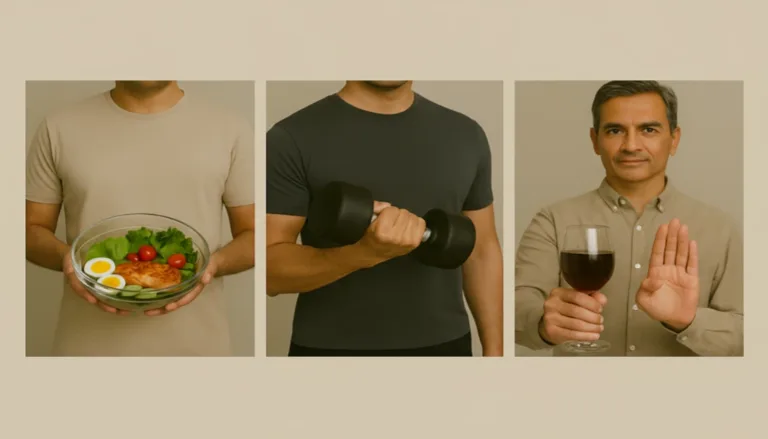
5. Quit Smoking and Limit Alcohol
Both habits stiffen arteries and increase BP. Replace them with healthier relaxation methods like walking, meditation, or reading.
The Redial Clinic Approach: Beyond Symptom Control
Unlike conventional salt-reduction methods, our Lifestyle Modifications for Blood Pressure Control approach focuses on root causes:
- Customized low-carb, high-protein, healthy-fat diet plans.
- Encouraging natural fats and eliminating refined seed oils.
- Tracking blood sugar, waist circumference, and medications closely.
- Comprehensive education for habit transformation.
Case Highlight: How Mr. Raj Controlled His BP Without Reducing Salt
Raj, a 54-year-old from Delhi, had BP of 155/95 mmHg on two medications.
Instead of salt restriction, we focused on reducing carbs and improving diet quality.
After 12 weeks, he lost 8 kg, reduced BP to 128/82 mmHg, and required only one medication.
Final Verdict: Rethink Blood Pressure Control
The conventional “cut salt, eat less fat” model hasn’t solved India’s hypertension crisis.
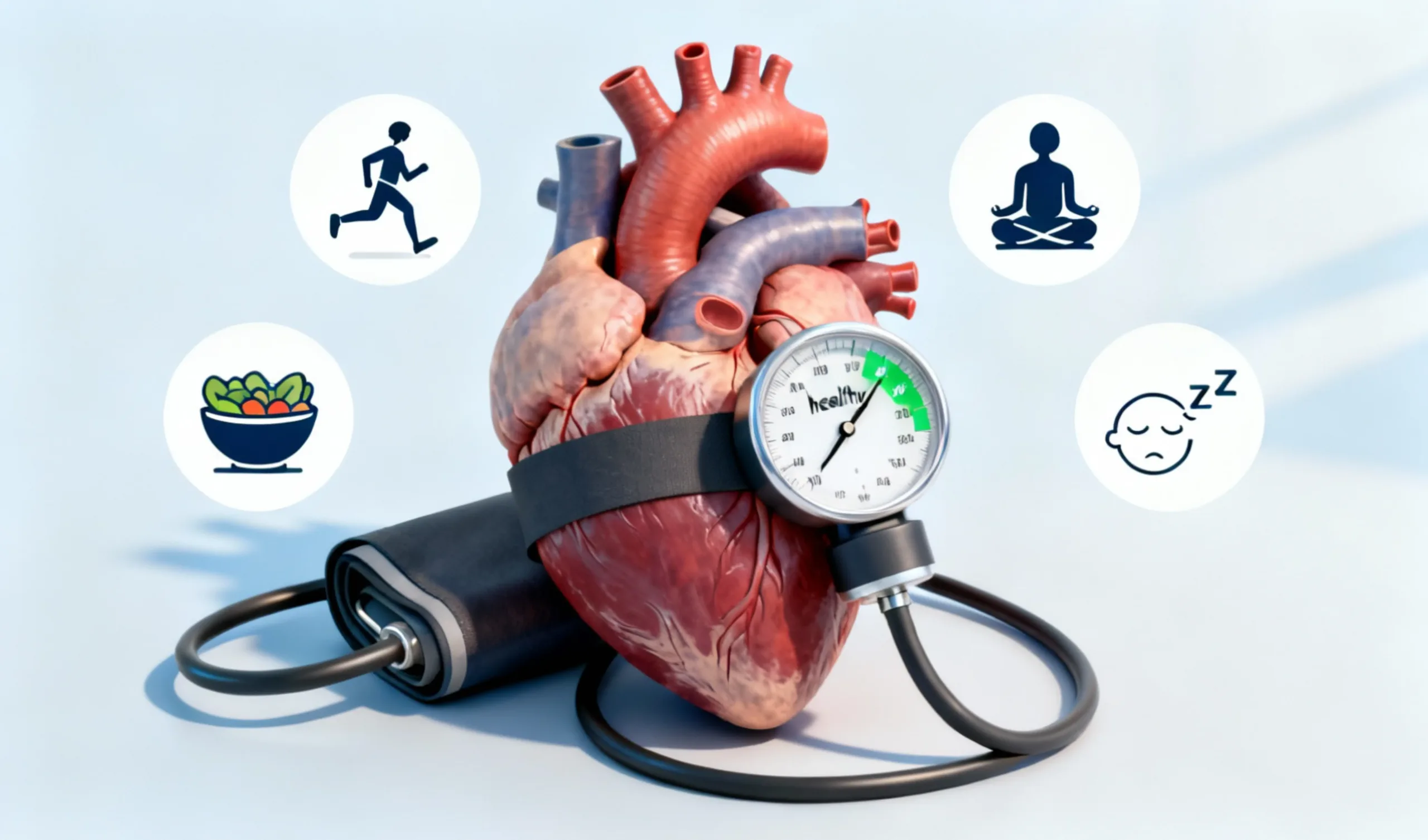
The real solution is restoring metabolic health through nutrition, movement, and stress balance.
At Redial Clinic, Green Park, we empower patients to regain control naturally through
Lifestyle Modifications for Blood Pressure Control—without unnecessary salt restriction.
If you’re ready to reverse hypertension and reduce dependency on medicines, book your personalized consultation today.
References
| No. | Source | Key Findings |
|---|---|---|
| 1 | American Journal of Hypertension (2021) | Low-carb diets improved both BP and insulin resistance more effectively than low-fat diets. |
| 2 | BMJ Open Heart (2020) | Insulin resistance is a major driver of hypertension; carb restriction reduces it. |
| 3 | JACC (2019) | Visceral fat loss significantly improves BP and cardiovascular outcomes. |
| 4 | Nutrients (2022) | Electrolyte balance is better maintained with adequate sodium and reduced carb intake. |
| 5 | Diabetes Care (2018) | High-protein diets enhance satiety and support weight loss in hypertensive diabetics. |
Medical Disclaimer: This content is for educational purposes only and does not substitute professional medical advice, diagnosis, or treatment. Always consult your physician or a qualified healthcare provider before making any changes to your medication, diet, or treatment plan. Individual results may vary.

 LinkedIn