



What Is an Anti Cancer Diet?
An Anti Cancer Diet is not a passing trend—it is a science-backed approach to health that strengthens the body’s natural defenses against cancer. It is designed to work at every stage of the journey:
- For Prevention → It lowers the risk of cancer by reducing chronic inflammation, protecting cells from DNA damage, and keeping the body’s internal environment balanced. Research shows that nearly 30–50% of cancers can be prevented with the right lifestyle and nutrition choices.
- For Fighting Cancer → Once cancer develops, the body needs resilience. A structured anti cancer approach helps slow disease progression, enhances immunity, and creates conditions where abnormal cells find it harder to grow.
- For Supporting Treatment → During chemotherapy or radiation, patients often struggle with fatigue, nausea, and loss of strength. An anti cancer diet helps improve energy, recovery, and overall tolerance to treatment, ensuring the body can heal more effectively.
In essence, an anti cancer diet is about building strength from within—protecting the body, fighting disease, and supporting recovery—so that health is preserved at every stage of life.
Why Food Matters?
Cancer is not a sudden event—it develops silently over years. While genes play a role, lifestyle and diet are the most powerful influencers. Scientific estimates suggest that 30–50% of all cancers can be prevented with proper diet and lifestyle.
Modern Indian diets are high in:
- Refined carbs such as white rice, wheat bread, biscuits, and packaged snacks.
- Sugary beverages and sweets that spike insulin.
- Refined seed oils like sunflower, soybean, and canola that promote inflammation.
This combination raises blood sugar, fuels insulin spikes, and increases inflammation—all conditions where cancer cells thrive.
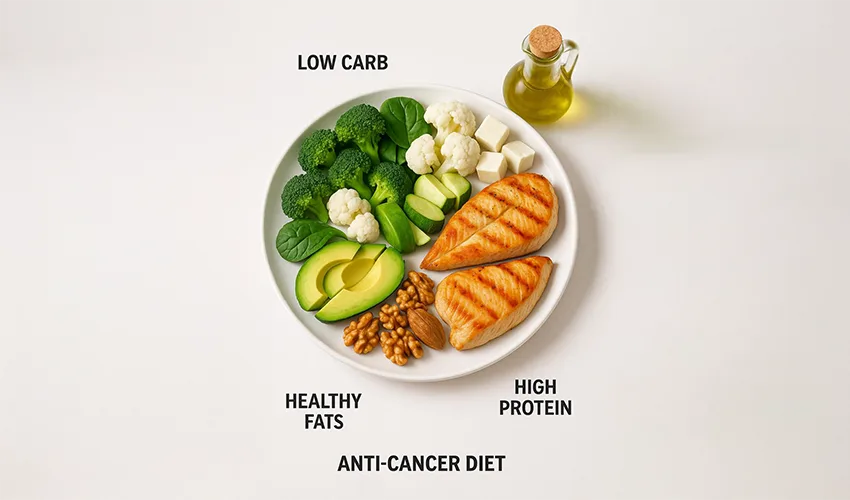
By contrast, an anti cancer diet focuses on:
- Low Carbs from Non-Starchy Vegetables: Instead of rice, rotis, or potatoes, the carb source comes from vegetables like lauki, karela, broccoli, spinach, cabbage, tinda, and turai. These are nutrient-dense, rich in antioxidants, and low glycemic, meaning they don’t fuel insulin spikes.
- High Protein: Essential for DNA repair, immune defense, and muscle strength. Protein can come from vegetarian foods such as paneer, soya chunks, tofu, sprouts, Greek yogurt, or from non-vegetarian sources such as fish, chicken, eggs, and red meat like mutton or lamb.
- Healthy Fats: Natural, stable fats like desi ghee, white makkhan, extra virgin olive oil, virgin coconut oil, nuts, and seeds. These fats lower inflammation, balance hormones, and provide steady energy without feeding cancer cells.
This formula—non-starchy vegetables + high protein + healthy fats—creates an internal environment where cancer cells struggle to survive, while healthy cells flourish.
The Keto Connection
Interestingly, the anti cancer diet shares many principles with the well-researched ketogenic diet. A ketogenic diet focuses on drastically lowering carbohydrate intake, emphasizing healthy fats, and keeping protein at moderate to high levels.
Why is this relevant?
Cancer cells thrive on glucose (sugar) for energy. By reducing carbohydrate intake, the body shifts into ketosis, a state where it burns fat for fuel and produces ketones. Unlike cancer cells, healthy cells can efficiently use ketones for energy—creating a metabolic environment that makes it harder for tumors to grow.
Research suggests ketogenic nutrition can:
- Lower insulin and glucose levels, starving cancer cells of their primary fuel.
- Reduce inflammation and oxidative stress.
- Improve tolerance to chemotherapy and radiotherapy.
- Preserve lean muscle mass during treatment.
This is why the low-carb, high-protein, healthy-fat model of an anti cancer diet can also be considered a therapeutic keto-style approach.
The Science Behind Anti Cancer Diet Foods
Antioxidants, and Phytochemicals
- Antioxidants act like shields against oxidative damage. Every day, our cells face free radicals from pollution, stress, and even digestion. If not neutralized, these radicals damage DNA and can lead to cancer. Antioxidants in vegetables, fruits, and healthy fats block this process.
- Phytochemicals are plant-based compounds like flavonoids (in onions and apples), carotenoids (in carrots and tomatoes), and sulforaphane (in broccoli). They block cancer pathways, switch off genes that encourage tumor growth, and activate those that promote repair.
Top Anti Cancer Diet Foods to Add to Your Plate
Best Anti Cancer Vegetables (Low Carb, Non-Starchy)
- Cruciferous Vegetables (Broccoli, Cauliflower, Cabbage): These vegetables contain sulforaphane, which neutralizes carcinogenic enzymes and blocks DNA mutations. A plate of broccoli stir-fried in olive oil or a simple cauliflower sabzi can deliver compounds that directly reduce cancer risk. In Indian diets, crucifers are easy to add through sabzis, soups, or roasted forms.
- Spinach & Amaranth Leaves: Leafy greens provide folate, magnesium, and antioxidants that protect against DNA damage. Folate deficiency is linked with higher rates of cervical and breast cancer. A spinach-paneer bhurji or amaranth stir-fry is a perfect cancer-prevention meal.
- Lauki, Karela, Tinda, Turai: These gourds are staples in Indian kitchens and carry huge medicinal value. Lauki cools the digestive tract, karela regulates blood sugar with compounds like charantin, and turai improves detoxification. Since high insulin is a driver of cancer growth, these vegetables are critical in keeping sugar and insulin stable.
- Mushrooms: Rich in beta-glucans, mushrooms strengthen the immune system, encouraging white blood cells to identify and destroy abnormal cells. They are also low in carbs, making them perfect for sautéing in ghee or adding to stews.
High Protein Foods (Vegetarian and Non-Vegetarian)
- Fish (Rohu, Surmai, Salmon): Rich in omega-3 fatty acids, fish lowers inflammation, protects DNA, and may slow tumor development. A grilled salmon fillet or surmai curry in ghee can be deeply protective.
- Chicken: A lean protein that helps in tissue repair and immunity. Unlike processed meats, fresh chicken does not carry added preservatives or cancer-causing compounds. A simple chicken tikka or stew can be an excellent high-protein meal.
- Mutton/Lamb (Red Meat): Often demonized, fresh red meat is actually nutrient-dense. It is rich in iron (prevents anemia), zinc (boosts immunity), B vitamins (for cell repair), and conjugated linoleic acid (CLA), which research links with anti-cancer properties. At Redial Clinic, we support red meat as part of a balanced anti cancer diet when cooked in healthy fats like ghee or makkhan.
- Eggs: Eggs are complete proteins containing choline, lutein, and zeaxanthin, which reduce oxidative stress. A masala omelette with spinach is a simple cancer-fighting breakfast.
- Vegetarian Proteins (Paneer, Soya Chunks, Tofu, Greek Yogurt): Paneer offers slow-digesting casein protein, while soya chunks provide plant-based protein that supports muscle strength. Greek yogurt adds probiotics, which improve gut health and immunity.
Healthy Fats (The Anti-Inflammatory Foundation)
- Desi Ghee & White Makkhan: These traditional fats are rich in butyrate, which supports gut health, and CLA, which reduces inflammation. Unlike refined oils, ghee is heat-stable, making it safe for Indian cooking.
- Extra Virgin Olive Oil: Rich in polyphenols that lower oxidative stress. Olive oil drizzled over salads or used in light cooking is linked to lower rates of breast and colon cancers.
- Virgin Coconut Oil: Provides medium-chain triglycerides (MCTs), which improve metabolism and help stabilize blood sugar.
- Nuts & Seeds (Walnuts, Almonds, Chia): Walnuts provide omega-3 fatty acids, flaxseeds contain lignans that may reduce hormone-driven cancers, and chia seeds provide fiber plus anti-inflammatory fats.
Anti Cancer Diet Plan: What to Eat in a Day
Vegetarian Option
- Breakfast: Paneer bhurji with spinach cooked in desi ghee. This combination gives protein, leafy greens, and antioxidants.
- Lunch: Lauki sabzi with cauliflower rice, and cucumber salad topped with pumpkin seeds. Provides non-starchy vegetables, fiber, and omega-3s.
- Dinner: Soya chunk curry with sautéed broccoli. Provides high protein and fiber.
Non-Vegetarian Option
- Breakfast: Two boiled eggs with mushroom stir-fry in desi ghee. Protein and healthy fats to start the day.
- Lunch: Grilled salmon served with cabbage stir-fry and cucumber salad. Omega-3 fats plus antioxidants for midday energy.
- Dinner: Slow-cooked mutton stew with lauki sabzi. Nutrient-dense protein plus non-starchy vegetables.
👉 Every meal follows the same formula: Non-starchy vegetables + protein + healthy fats.
Supplements in an Anti Cancer Diet
While whole foods should always form the foundation of an anti cancer diet, sometimes supplements are necessary — especially during cancer treatment or recovery, when nutritional needs are higher and appetite may be lower. Here are some evidence-based options:
- Vitamin D3: Low vitamin D levels are linked with higher cancer risk and poorer survival outcomes. Supplementation (if deficiency is present) improves immune function and reduces tumor progression.
- Omega-3 Fatty Acids (Fish Oil or Algal Oil for vegetarians): Omega-3s lower inflammation, reduce muscle loss during treatment, and may improve chemotherapy tolerance.
- Curcumin (Turmeric Extract): Curcumin supplements deliver higher doses than food alone. Clinical studies suggest it helps reduce inflammation and can enhance the effectiveness of chemotherapy.
- Probiotics: Treatment often disrupts gut health, leading to poor digestion and weak immunity. Probiotics restore healthy gut bacteria and support immune resilience.
- Zinc & Selenium: Both are antioxidants that protect DNA, boost immunity, and improve wound healing. Deficiencies are common in cancer patients.
- B-Complex Vitamins: Chemotherapy and stress often deplete B vitamins. Supplementation supports energy production, red blood cell health, and nervous system function.
Important: Supplements should never replace real food. They should only be used when clinically indicated, ideally after testing (e.g., Vitamin D, B12 levels) and under medical supervision.
Foods to Limit or Avoid
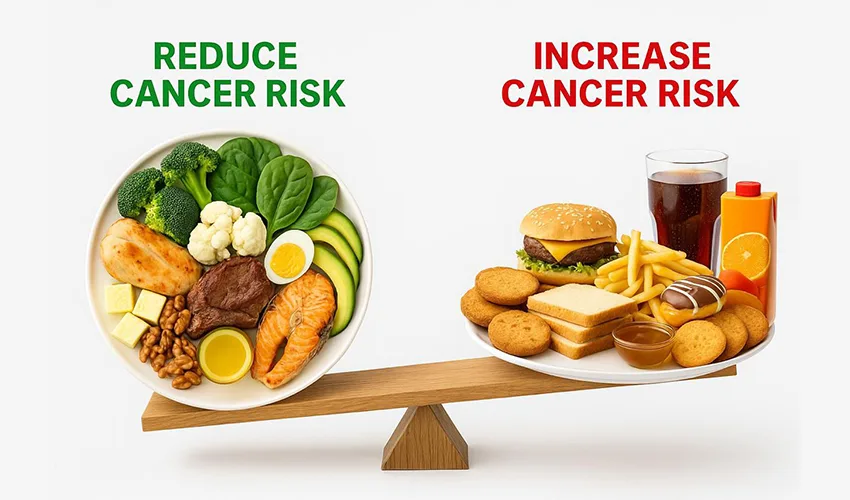
- Refined Carbs & Sugars: White rice, breads, noodles, pastries, sweets—all cause blood sugar spikes and fuel cancer growth.
- Ultra-Processed Packaged Foods: Chips, biscuits, colas, and energy drinks are full of additives, trans fats, and sugars that disrupt metabolism.
- Excess Alcohol: Damages DNA, weakens the liver, and increases risk of breast and liver cancers.
Benefits of an Anti Cancer Diet
- Reduces Inflammation – Chronic inflammation is a root cause of many cancers. Anti-cancer nutrition helps calm the body’s inflammatory pathways.
- Stabilizes Blood Sugar & Insulin – Prevents the insulin spikes that fuel cancer cell growth.
- Strengthens Immunity – Provides the nutrients (vitamins, minerals, protein) the immune system needs to detect and destroy abnormal cells.
- Supports DNA Repair – Antioxidants and amino acids help protect DNA from mutations and assist in repair.
- Improves Energy & Vitality – Healthy fats and proteins give stable energy, reducing fatigue during prevention or treatment.
- Better Tolerance to Therapy – Helps patients handle chemotherapy/radiation with fewer side effects and faster recovery.
- Enhances Longevity & Quality of Life – By maintaining lean muscle, balanced hormones, and a strong immune system, it improves both lifespan and healthspan.
Additional Lifestyle Tips for Cancer Prevention
- Strength Training: The most underrated cancer-prevention tool. Muscle acts as a glucose sponge, improving insulin sensitivity and lowering inflammation. Just 2–3 sessions per week with dumbbells, resistance bands, or bodyweight exercises like squats and push-ups reduce cancer risk significantly.
- Cardio & Daily Activity: Walking, swimming, or cycling improves circulation, supports detoxification, and lowers inflammation.
- Stress Management: Chronic stress weakens immunity and raises cortisol. Yoga, meditation, and breathing practices strengthen resilience and protect the immune system.
- Avoid Toxins: Quit smoking, avoid plastic food storage, and always cook in natural fats instead of reheating refined oils.
How Redial Clinic Supports Anti Cancer Lifestyle and Nutrition
At Redial Clinic, Green Park, our approach goes beyond just giving patients a list of foods. We focus on creating a complete lifestyle framework that helps prevent, fight, and recover from cancer.
1. Personalized Nutrition Plans
Every patient is unique. We design customized diet strategies including therapeutic keto diets that respect cultural preferences, regional food availability, and medical conditions. Whether someone is vegetarian, non-vegetarian, or has specific health needs, we ensure their plan supports cellular repair, immunity, and overall resilience.
2. Strength Training & Physical Guidance
Cancer prevention isn’t just about what you eat—it’s also about building strength. Our team integrates strength training routines into patient care because muscle mass is directly linked with better immunity, recovery, and long-term protection against chronic disease.
3. Fasting & Lifestyle Interventions
We educate patients on safe and effective fasting strategies that support cellular detox, reduce oxidative stress, and enhance metabolic health. This helps the body create an internal environment that is less favorable for cancer growth.
4. Toxin & Inflammation Reduction
Our guidance goes beyond food—we help patients identify and reduce hidden toxins in everyday life (refined oils, packaged foods, chemical additives) that silently fuel inflammation. This holistic approach ensures lifestyle change, not just diet change.
5. Continuous Monitoring & Support
We don’t leave patients after giving them a plan. At Redial Clinic, progress is monitored regularly with follow-ups, adjustments, and education so that patients stay consistent and motivated.
FAQs About the Anti Cancer Diet
Q1. What is an anti cancer diet?
A diet built on non-starchy vegetables (low carb), high protein, and healthy fats that lowers cancer risk and strengthens immunity.
Q2. Can food really help prevent cancer?
Yes. Studies show nearly half of cancers are diet-related, making nutrition a powerful prevention tool.
Q3. Are there foods that cause cancer?
Yes—refined carbs, sugary drinks, and ultra-processed packaged foods.
Q4. Can I follow an anti cancer diet if I’m undergoing treatment?
Yes. It supports immunity, reduces side effects, and stabilizes energy. Always consult your doctor alongside dietary support.
Q5. How does the ketogenic diet help in cancer prevention?
The keto diet lowers carbohydrates and glucose levels, forcing the body to use fat and ketones for fuel. Cancer cells thrive on sugar but struggle to use ketones, which creates a metabolic environment that makes it harder for them to grow.
Q6. Is keto safe for cancer patients during chemotherapy or radiation?
When supervised by a medical team, yes. Research shows keto may reduce treatment side effects, protect healthy cells, and improve energy. It should never replace standard cancer care but can be used alongside it.
Final Thoughts
At Redial Clinic, Green Park, we believe an anti-cancer lifestyle is about empowerment, not restrictions. Our mission is to help you build resilience from within—through personalized guidance, strength-building, toxin-free living, and science-backed strategies that truly transform health.
Every patient who walks into our clinic receives individualized care designed to prevent illness, support healing, and improve quality of life. With our integrated approach—combining medical expertise, nutrition science, and lifestyle coaching—you don’t just manage risk, you actively take control of your future health.
👉 If you’re ready to make that shift and reclaim your strength, book your personalized consultation at Redial Clinic, Green Park today. Together, we’ll create a plan that empowers you to live stronger and healthier.
| Book a Metabolic Assessment at Redial Clinic, Green Park, New Delhi. |
References
| No. | Source | Key Findings |
| 1 | World Cancer Research Fund / American Institute for Cancer Research (2018) | Non-starchy vegetables, fiber, and reduced processed foods strongly lower cancer risk. |
| 2 | Harvard School of Public Health (2016) | Regular cruciferous vegetable intake reduces colorectal cancer risk by 30%. |
| 3 | National Cancer Institute (2020) | High glycemic load diets increase cancer incidence; antioxidants and phytochemicals provide protection. |
| 4 | Indian Council of Medical Research (2019) | Urban Indian diets high in rice, wheat, sugar, and oils linked with rising breast/colon cancers. |
| 5 | American College of Sports Medicine (2019) | Strength training lowers insulin resistance and inflammation, cutting cancer risk. |
| 6 | Seyfried, T.N. Cancer as a Metabolic Disease (2012) | Cancer cells rely on glucose; ketogenic diet starves tumors by reducing glucose availability. |
| 7 | Schmidt, M. et al., Nutrition & Metabolism (2011) | Ketogenic diets improve quality of life and reduce tumor progression in cancer patients. |
| 8 | Klement, R.J. & Champ, C.E. Frontiers in Nutrition (2017) | Ketogenic diets reduce insulin/IGF-1 signaling, limiting cancer growth pathways. |
| 9 | Allen, B.G. et al., Redox Biology (2014) | Ketogenic diet enhances response to radiation and chemotherapy while protecting normal cells. |
Medical Disclaimer: This content is for educational purposes only and does not substitute professional medical advice, diagnosis, or treatment. Always consult your physician or a qualified healthcare provider before making any changes to your medication, diet, or treatment plan. Individual results may vary.
 Facebook
 Instagram
 LinkedIn